
Signs of Too Much or Too Little Protein
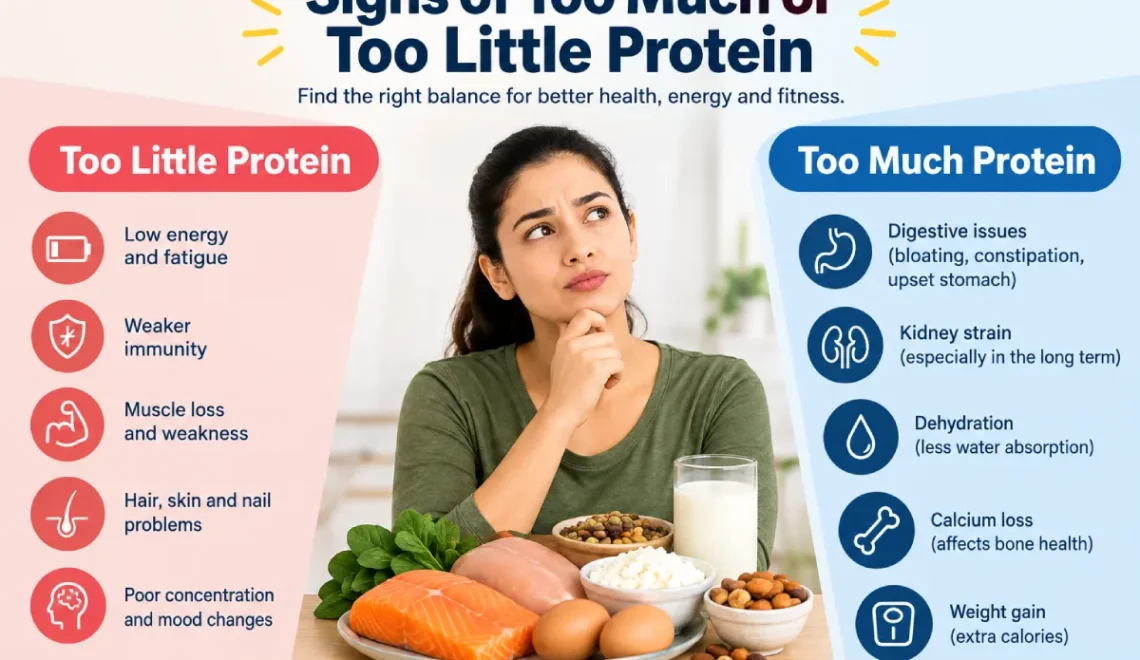
The body needs protein to maintain muscles and tissues, to fight infections and to produce hormones, among other things. Sports enthusiasts may consider the amount of protein they consume more carefully than most people, since enough protein is good for building muscles and enhancing their development, but excessive protein or too little may cause unwanted problems as you lose out on needed nutrients.
Being able to recognize if you eat too much, or far too little, of this essential nutrient will simplify the choice between actually trying to meet your body’s need for protein and going strictly by assumption.
This Article Is Part of the Protein Guides Hub
Explore protein needs, sources, benefits, supplements, nutrition tips, and other useful information in our Protein Guides Hub.
Why Protein Is Essential.
Protein is a complex compound made of amino acids, and in terms of our body the component required for constructing and repairing muscle, skin, enzymes, along with other tissues. Resistance training places stress on our muscle fibres and demands nutrients if the muscle is to recover effectively.
The individual protein requirement varies considerably on account of your size, age, activity level, training aims and health status. Someone who routinely strength trains will therefore need to ingest a greater proportion of protein than a predominantly inactive person.
Despite this-more protein is not necessarily superior, for a healthy body still requires carbohydrates, healthy fats, fiber, vitamins and minerals, plus essential fluids.
Signs you may not be getting enough protein
-
Hard to maintain/build muscle
If you find yourself struggling to maintain muscle and find it hard to build muscle, particularly if you are also on a calorie deficit for an extended period of time this may be one sign you may not be getting enough protein.
While sufficient protein won’t build muscle on its own, consuming enough protein ensures your body has amino acids available for muscle repair and adaptation purposes. If your intake remains relatively low over a longer period of time you may find it increasingly harder to stimulate growth within your training stimulus.
-
Slow recovery from workouts
If you generally have lingering muscle soreness or find that your recovery after bouts of exercise is slow it may be a sign your diet is insufficient, with poor protein being a potential contributing factor.
The repairing qualities of protein to muscle tissue can impact your recovery time but lack of adequate sleep, over-training and other nutritional deficiencies/dehydration can also attribute towards poorer recovery time.
-
Increased hunger
Protein also aids in appetite suppression so in having meals with enough protein, it may make hunger more manageable. However, if you often find yourself needing a second meal not long after one has been finished, and it doesn’t have a decent amount of protein you may be experiencing a signal that you aren’t getting enough protein.
This isn’t concrete evidence of having a protein deficiency but is certainly a good indicator for your diet at least.
-
Reduced strength or weakness
There are various reasons why you may find yourself weak or feeling weak. Overworking, poor sleep quality and a very low calorie/carb intake could all have significant impacts. Over time, sustained and insufficient protein intake will have reduced muscle mass to some degree and physical performance along with it.
Continued persistent weakness regardless of perceived eating habits is likely to be investigated better with a professional in healthcare rather than by assuming you may have a lack of protein.
-
Effects on hair, skin or nails
Very poor or prolonged consumption of low protein can have an effect on tissues including skin, hair and nails. Hair may not be as strong or may become thinner, while in cases of significant malnutrition of all types of foods, some change will likely be noticed within the skin.
Lack of iron, zinc or certain vitamins could cause some of these same symptoms along with general underlying health conditions.
-
Swelling-Severe deficiency
In very rare and severe cases of malnutrition, swelling may occur from a lack of sufficient protein where you can experience a build-up of fluid accumulation within your tissues. This can be classified as a symptom if, with malnutrition, any other signs or symptoms listed seem relevant to your eating habits.
For evidence-based guidance on protein intake and dietary needs, the National Institutes of Health (NIH) provides reliable health and nutrition resources.
7 Signs You’re Eating Too Much Protein
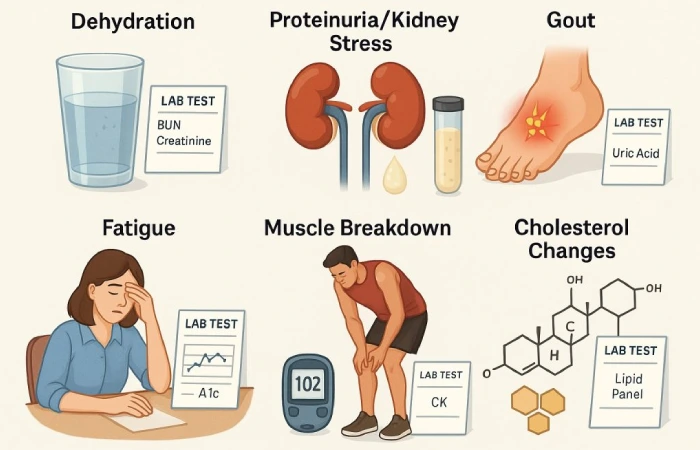
There’s no magic amount of protein which is definitely “too much” for every person. How much is excessive for you will depend on your current health, diet and the source of protein. However, there is a possibility that regular excessive consumption of large quantities can be problematical, especially if it replaces foods.
-
Digestive Issues
This might affect a person with increased consumption of protein which may result in gas, diarrhoea, bloating, or stomach distress.
This could be a special thing once protein levels are extremelyhigh when taken using powders/shakes/ bars/processed forms. Some products can include sugar alcohols or lacto-which can contribute to digestive effects.
-
Constpation
Increasing your protein intake may lead to less fiber in the diet, if someone has decreased amount of fruits,vegetables,grains, legumes which may be the cause in constipation problem, rather than protein. Fiber-rich food and fluid intake could help normal digestive system..
-
Increase thirstiness
The nitrogen-waste product produced by protein metabolism needs to be filtered off through urine. If an average protein intake greatly increased then, you need a regular intake of fluid for your body.
Being thirsty is not always a indication you ate too much protein, but maybe it’s an reminder about drinking an adequate fluid..
-
Smelly breath
Too much intake of low carbs high protein diet can lead to smell changes in your breath, maybe it’s part of eating ketones, during limitation carbohydrate for ketogenesis.
Again this may depend on the diet rather than the protein itself.
-
Imbalanced diet
A major risk associated with extreme excessive protein consumptions is displacing actual needed meals from the diet.
If an average intake person consumes lots of high protein foods, you are definitely eating fewer fiber-, vitamin-, and mineral-rich foods such as grains, fruits, veggies and fat from healthy sources like nuts and oily fish.. A nutritious diet consists of balanced components.
-
Kidney Issues for some people
A well working kidney is often able to tolerate typical dietary protein intake. BUT if people are with kidney disease, protein diet needs to be determined per person.
Anybody with a pre-existing kidney disorder would do well to consult their doctor or a Registered Dietician before significantly changing their dietary protein intake.
How to Find the Right Balance
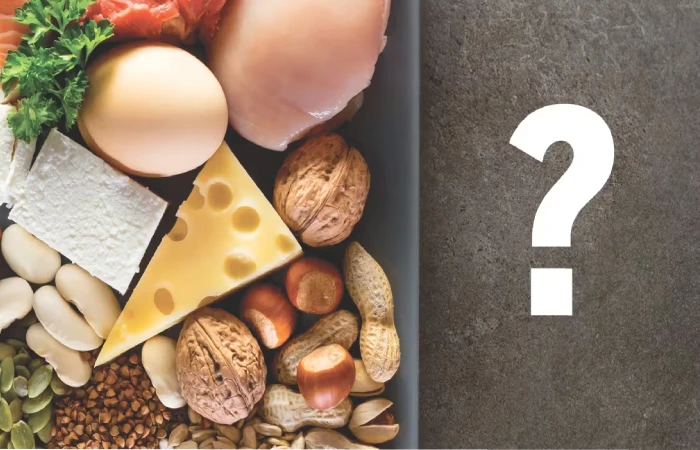
Don’t rely on measurements but on the diet as a whole to inform what you need to eat. Make sure the protein comes from a range of sources, e.g. Eggs, dairy products, fish, poultry, lean meat, beans, lentils, soy products, nuts and seeds.
For people who engage in regular physical activity, spreading protein intake over food is a convenient method. Protein supplements are also an effective tool when protein requirements are otherwise difficult to fulfill using food, but aren’t necessary for all of you out there.
One also has to consider that a balanced diet is essential when aiming for gains in muscles and this doesn’t solely rely on protein; gradual strength training along with adequate calorie intake, carbohydrate, fats, sleep and rest also go hand in hand with good results
When to consult your professional
Ongoing symptoms such as muscle wasting, inflammation/swelling, significant digestive disorder and persistent lethargy or great weight change must not automatically be attributed to protein intake.
Your healthcare professional can examine the symptoms you are having and if necessary conduct tests for deficiencies and underlying diseases.
Final Takeaway
The symptoms of getting too little or too much protein can often share symptoms of other things. Symptoms of not having enough protein may relate to having trouble maintaining your body and muscles, have delayed healing, or in cases of extreme deficiency, deeper malnourishment issues to deal with. Eating too much protein may relate to digestion issues, complications with hydration or an imbalanced eating pattern.
It should not be considered how can we eat the maximum amount of protein possible but rather should we eat the correct amount of protein for us while ensuring there is variety in our diet. With relevant health complications, such as kidney disease, consult a health professional or nutritionist for proper guidance on amounts.
How Much Protein Should I Eat a Day Hub
Explore the complete guide to daily protein intake, including protein needs by body weight, muscle gain, weight loss, women, athletes, and signs of too much or too little protein.