
How Much Protein for Weight Loss
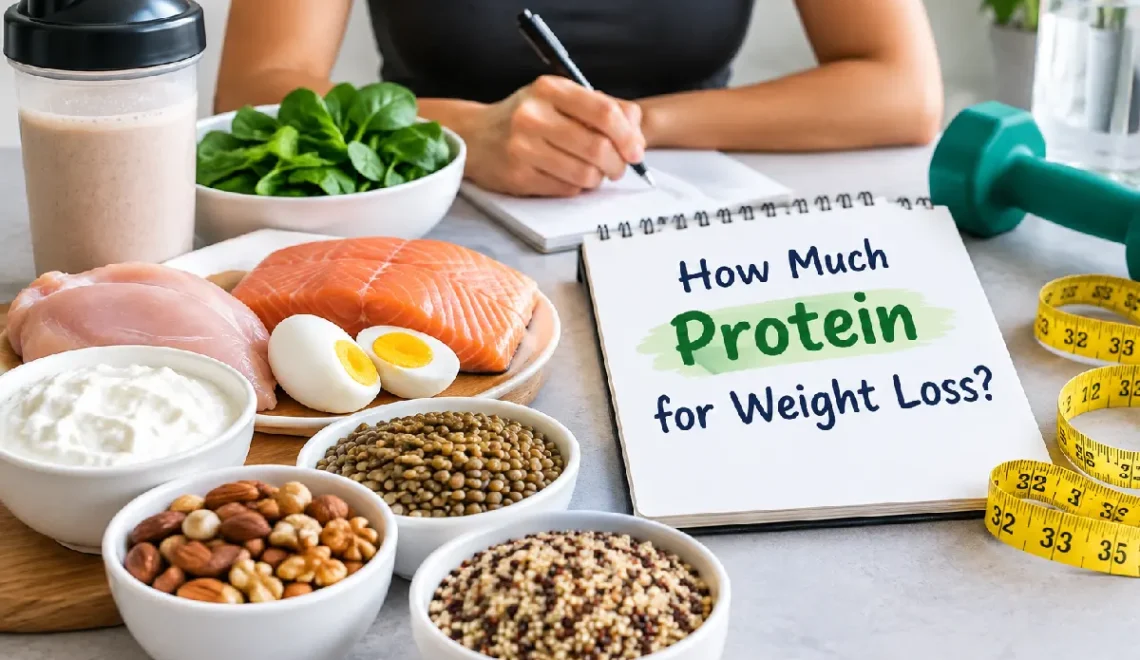
People aiming to lose weight find protein invaluable in helping them preserve their muscles. Protein is vital for Muscle Maintenance, Muscle Recovery and promoting fullness thus making dieting at a deficit more sustainable. It is NOT a miracle nutrient which burns body fat but if paired with an appropriate calorie deficit over the long term will help in people losing weight.
How much protein will depend on body weight, body composition, the extent of your activities, your age and your specific weight-loss target.
An active person obviously wouldn’t require the amount of protein an inactive person would.
This Article Is Part of the Protein Guides Hub
Explore protein needs, sources, benefits, supplements, nutrition tips, and other useful information in our Protein Guides Hub.
How much protein do you need when losing weight?
It can be as high as 1.2-1.6g per kg of your body weight per day for the majority of adults wishing to lose weight.
- So if you are 70kg then:
- 70 × 1.2 = 84 grams per day
- 70 × 1.6 = 112 grams per day
This means that for someone of 70 kg, 84-112 g of protein may be the daily intake targets.
Individuals who are consistent with resistance training would likely need a protein intake closer to the higher range. There are circumstances when greater amounts of protein may be required during weight loss, but this depends on the individual and there own requirements.
The protein values should be used as an estimation only, and not a rigid amount that must be adhered to.
Why protein is a factor in weight loss
When people are trying to lose weight, the target is usually to maximize fat loss while losing as little lean tissue mass as possible. There will be an intake of calories restricted, and thus body fat, as well as muscle lost, although especially if trying to cut calories quite low.
Sufficient protein should mean there are readily available amino acids for the body to use when it need to build/repair tissue. If you are trying to cut calories and you’re undertaking weight training then protein supplementation could be appropriate to support musculature during dieting.
Protein might also serve as useful for managing appetite; an example would be that many Carbohydrate based foods are not that filling compared with a higher protein food. If you are satisfied and full after eating then perhaps it will be easier to maintain a healthy range when consuming snacks, and in turn total calorific intake.
Protein Requirements for Your Activity Level
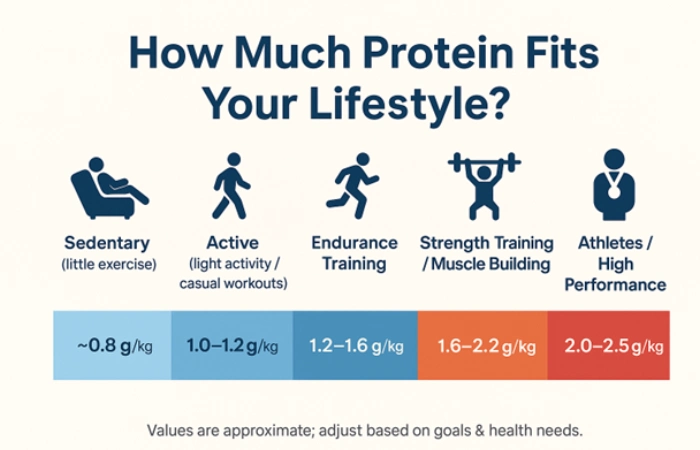
The amount of protein you need can also vary depending on your activity level:
- Non active adults: If you do very little of your own unstructured exercise a high protein intake will not be necessary. A general balanced diet with your essential nutrient requirements met should be sufficient.
- Generally active adults: Those adults who are able to manage walks or light/medium workout sessions can look at 1.2-1.6g/kg per day.
- Weight lifters: Those adults who train with free weights and resistance training programme should focus on increasing protein intake especially in the context of a diet.
- Highly active adults: The athlete type individual, people undertaking taxing training programmes may have to look at individual protein needs and calorie consumption with consideration for sport and training schedules.
Will a high protein diet help weight loss?
Not so much
If we eats more protein that we individually need will we inevitably lose fat quicker? This is not necessarily true since energy balance, where calorie intake is less than calorie loss, is the primary requirement in any weight loss scenario. Someone who was eating an incredibly large amount of protein but also an additional huge amount of food will invariably put on weight!
The quantity of protein recommended will likely prevent some food groups from being consumed (which could otherwise contribute to a healthier diet).
High protein foods will need to be supplemented in the diet since their nutritional content will be biased towards protein. Carbohydrate intake must be sufficiently high to maintain certain physical exercises and essential to many fat burning activities, while fatty acids are vital to ensure certain bodily functions work correctly; the role of vegetables, fruit, beans and whole grains in providing micronutients and Fiber must be maintained.
For evidence-based guidance on healthy weight management and nutrition, the Centers for Disease Control and Prevention (CDC) provides reliable resources on healthy eating and weight loss.
Will High protein eating speed up weight loss?
Not necessarily.
Eating more protein than your individual requirements will not inevitably lead to the loss of fat more quickly. The amount of calories remains key: if someone were consuming extremely high levels of protein but still be eating more food, they will inevitably put weight on! Eating the required amount of protein could therefore displace other groups of food and so reduce healthy eating in other areas. If someone eats very high amounts of protein they must consider the importance of all food groups-carbohydrates are key to many exercises and fatty acids are essential to keep the body working; it is important to retain adequate amounts of vegetables, fruit, beans, and whole-grains which would all supply vitamins and minerals and also Fiber for diet.
What Are the Best Protein-Rich foods for weight loss?
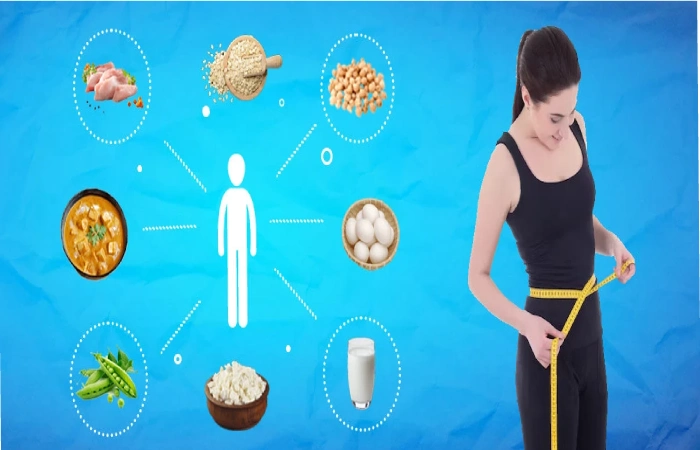
The variety of foods providing protein are enormous. Some examples are:
- Eggs
- Chicken and turkey
- Fish and seafood
- Lean meat
- Milk
- Greek yoghurt
- Cottage cheese
- Lentils
- Chickpeas
- Beans
- Tofu
- Tempeh
- Soy products
- Nuts and seeds
These are generally the most useful, and what is best is dependent on what else you are eating, the calories you need and your pattern of eating.
Protein sources of plants can be helpful as they often also provide fiber (e.g. With lentils, beans and chick-peas) and various other nutrients.
Protein Powder and weight loss
Although, protein powder really isn’t a must if you want to lose weight – its just an easy way to increase your protein intake when normal foods can sometimes be a bit time consuming.
A good example of this is when you are very busy it’s always easier and quickest to mix a protein shake than prepare a full meal, but still contain calories so they count towards your overall calorie intake for the day. Sometimes it’s better to consume it within foods because you can get other things with the protein, this combination works as well with using supplements too if required.
Tips to distribute protein throughout the day
As opposed to eating most of your protein within one or a couple of meals, aim to incorporate protein into various stages of your day.
One possible rhythm:
- Breakfast should be Egg together with some complex carbohydrates (wholemeal bread) and others similar like the dairy (yoghurt).
- Lunch should include a protein source with carbohydrates (rice) along with non-starchy vegetables (green vegetables) eg. Chicken breast or fish, or lentils, or tofu.
- Snack: Yogurt or dairy are easy to consume sources but can include other protein sources too.
- Dinner: Non-starchy veg accompanied by a carb and protein. Possibly fish, lean meat, legumes or tofu.
These are a rough guide of where to incorporate each protein source. Remember portion sizes should take your individual requirements into account.
Can Protein aid in belly fat reduction?
Protein is not a miracle belly fat buster. The body will never be told what foods will take fat from a specific area. Which area first varies based on the individual’s genes, hormones, sex and body type.
A consist caloric deficit should lead to a general reduction in body fat over a period.
An adequate protein and resistance training regimen will assist with fat loss in addition to muscle retention.
Is Protein consumption to high dangerous?
In the average person it wouldn’t seem to be inherently dangerous consuming more protein then is absolutely necessary; however, having too much could create problems with eating a balanced diet.
There can be bloating, constipation or digestive issues due to the fact if you increase you protein intake dramatically, people tend to lower their fibre intake to compensate.
Medical conditions such as Kidney disease may need consultation with your doctor prior to substantially increasing protein consumption.
Final Takeaway
Therefore, how much protein while trying to lose weight? A range of about 1.2–1.6 grams per kilogram of body weight per day can be appropriate for a good number of adults. However, those individuals exercising with regular strength training might perform better on a target within the higher end of the range, and individual needs vary.
Even though protein can contribute to feeling satisfied and preserving muscle mass when dieting, it is not a viable substitute for dietary calorie restriction and frequent exercise. A successful weight loss program combines the proper amount of protein with adequate nutritious eating habits and frequent physical exertion including resistance training, cardio work and adequate rest and healthy living practices, and the proper intake of protein sources as a supplement to the core plan. Instead of going overboard on protein consumption, find a balance that suits your body, activity level, and weight loss goals and ensure there is room to include a certain portion of carbohydrates, healthy fats, fruits, vegetables and other vital nutrient categories in your diet plan.
How Much Protein Should I Eat a Day Hub
Explore the complete guide to daily protein intake, including protein needs by body weight, muscle gain, weight loss, women, athletes, and signs of too much or too little protein.