
Daily Protein Needs for Athletes

Protein, as one of the key nutrients, benefits athletes through promoting muscle repair, recovery, adaptation, and preserving lean body mass. However, the actual protein requirement for each individual varies among the individuals. For athletes, protein requirement is depended upon body weight, type of training, volume of training, age, sport, and purpose of athletes (e.g. Aiming for muscle gain, maintaining body mass or reducing body fat mass).
This Article Is Part of the Protein Guides Hub
Explore protein needs, sources, benefits, supplements, nutrition tips, and other useful information in our Protein Guides Hub.
How much protein do athletes need?
Among all the people who train consistently, there is commonly a general recommendation of consuming approximately 1.2–2.0 g of protein per kilogram of body weight daily, although this also varies by training demands and personal goals.
Endurance athletes usually take around lower end or mid-range whereas strength/resistance athletes or people who seek to increase muscle mass would be better off to take around high end or greater than that. For example, an athlete who weights 70 kg would generally take around 84-140 grams of protein on a daily basis depending on goal and training plan. The numbers quoted here are guidelines more than requirement, each individual may varies. Ingesting large amount of protein can not necessarily generate better benefits for you.
Protein Requirements of Athletes
According to the Sport. A variety of athletic disciplines present varying demands upon the body and in turn require varying amounts of protein.
| Athlete Type | Approximate Daily Protein Range |
| Recreationally active adults | 1.2–1.6 g/kg |
| Endurance athletes | 1.2–1.7 g/kg |
| Strength athletes | 1.6–2.0 g/kg |
| Athletes building muscle | 1.6–2.0 g/kg |
| Athletes reducing calories | Around 1.6–2.2 g/kg may be useful |
These ranges also overlap because athletes will have unique circumstances. For example, one athlete will need to priorities slightly different nutrients for a long distance running programme than an athlete doing a bodybuilding programme.
Strength/power athletes need Protein
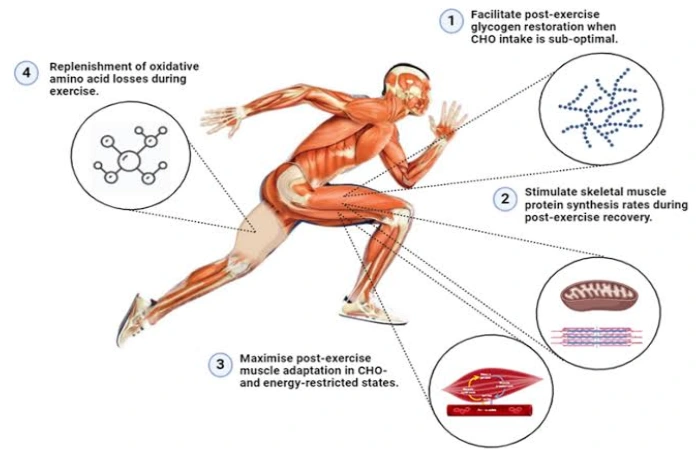
Lifters, bodybuilders etc. Undergo excessive muscular stress. Resistance training provides the stimulus for adaptation and the amino acids for muscle repair and growth come from protein.
An acceptable recommendation for these individuals would be 1.6-2.0 g/kg/d.
Supplement—protein will be alongside training, not instead of. Alongside calories, carbohydrates, sleep and recovery.
Endurance Athletes Protein requirements-
Although gaining strength may not be an issue of much concern during a particular training regime runners, cyclists, swimmers and so on still need their share of proteins to muscle recovery after long endurance exercise periods and possibly to prevent muscle loss after bouts of strenuous training. Usually the consumption is around 1.2-1.7g/kg/day but when bout of intense activity is carried out this should also rise. In periods of caloric restriction the requirements could rise too.
Protein For the Overweight Athlete
For an athlete needing to reduce body fat with little effect on performance, a reduction in total calories is often used and protein becomes more of a factor during this phase.
Higher, but not excessively high, protein intake will assist in retaining muscle mass under hypocaloric conditions in conjunction with resistance training.
A competent sports dietitian is needed to set an optimal protein target for an athlete on a diet for weight reduction based on body composition, training level and the degree of weight loss required.
So what about that so called protein window?
For most individuals, there is a certain level of total daily protein to be consumed and one does not need to stress about trying to consume that protein within an optimal protein “window”. Instead athletes can spread their daily protein intake over multiple meals and snacks.
This ensures an amino acid delivery supply at various times throughout the day.
As an example, meals and snacks such as breakfast, lunch, a post workout meal or snack, and dinner all may incorporate a source of protein. Some high protein foods available include: Eggs, Milk, Yogurt, Fish, Chicken, Lean meat, Beans, Lentils, Tofu and other Soy products.
Athletes can also refer to the International Society of Sports Nutrition (ISSN) for evidence-based information on protein intake, exercise, and sports nutrition.
Protein intake on and around training
Protein timing in relation to training can offer a few conveniences for athlete’s. It can fit well into their lifestyle if it’s a meal that’s naturally going to be consumed. When protein is consumed on a pre workout meal, it counts towards the daily target. If protein is consumed in a meal or snack post workout then that will help recovery of the body. There’s no real need for us to consume the post workout meal immediately after that last repetition, its a whole days diet and entire training life that matter much more.
Dietary intake vs protein supplements
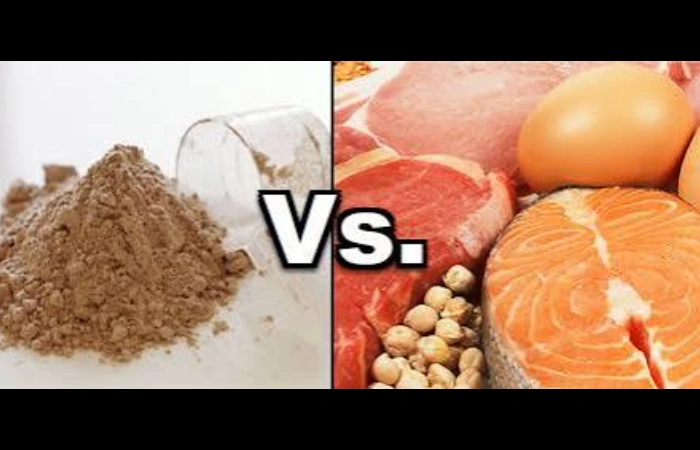
It’s possible for most athletes to meet protein needs using foods. It may be provided as part of a normal, balanced diet which has carbohydrate sources, good fats as well as vitamins, minerals, fiber as well as protein.
Supplements may be beneficial if an athlete has trouble achieving their protein needs through foods, only has limited time to prepare meals or when travelling.
Supplements are not necessary to assist growth, only to enhance a nutritional diet.
When purchasing supplements the type of product may also matter as it may contains substances not listed on the product packaging or prohibited to competitive athletes.
Should athletes consume an excessive protein intake?
It is apparent that ‘more is better’, but when an athlete has consistently met their unique requirement, large intakes arelikely only to have limited benefit. High protein intake could also hinder adequate consumption of carbohydrates, good fats, fruits, vegetables and whole grains.
Carbohydrates (such as pasta, bread, rice) are extremely important for numerous athletes since these source of energy become readily available during exercise at moderate to high intensities; if carbohydrates were largely replaced by protein these could impair the quality of your training.
Athletes that have health problems and disorders should always gain adequate, individual advice before a large-scale change in their protein intake.
How much protein daily shall I consume?
To calculate approx. The protein needed one may use: weight (in kg) 1.6 (strength athlete) / weight (in kg) 1.2 (general trainee) = daily need. 65kg strong athlete (for instance) need (65 x 1.6) to amount in 104g!
This is not a definitive prescription just a basic daily goal for optimum training phase and goals and overall dietary plan not throughout the year
Final Takeaway
There is so much variability for an athlete in determining daily protein intake depending on the sport, and on the person themselves.
However the majority of actively training individuals will achieve the protein targets required for them within an average range of approximately 1.2-2.0g /kg bodyweight a day, though amounts considerably higher may well be necessary for some athletes performing strength and power training, particularly in periods of reduced calorie consumption.
Most athletes could benefit from considering protein to be the supporting Nutrient that facilitates adequate energy, carbohydrates, unsaturated fats, micronutrients, vitamins, hydration and fibre in their diet, on which they place as highest, rather than placing it as highest. Training and recovery can also become the highest priorities.
The ideal protein target for an athlete is the target that best caters to the demands of their individual sport, while can be realistically met through a balanced and sustained dietary approach.
How Much Protein Should I Eat a Day Hub
Explore the complete guide to daily protein intake, including protein needs by body weight, muscle gain, weight loss, women, athletes, and signs of too much or too little protein.