
Protein Calculator For Muscle Gain
Introduction
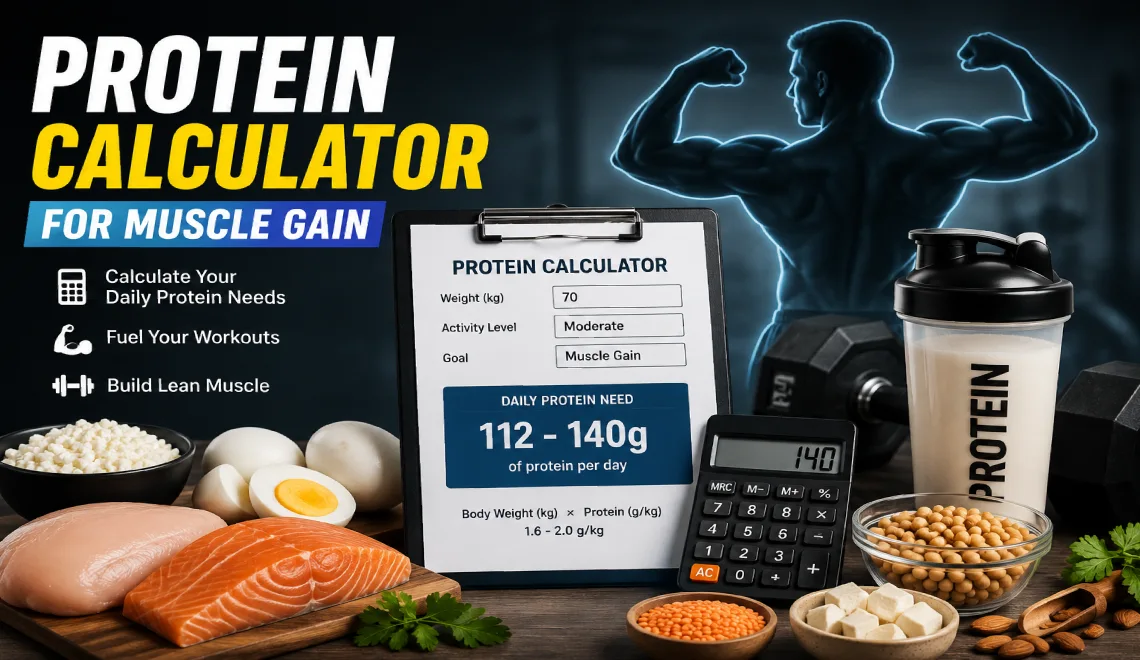
One of the biggest confusions many weight training individuals suffer with and it can be difficult to know exactly how much protein is enough for you. Some people say “1 gram per pound of bodyweight”, while others use generalised and vague dietary guidelines and as we mentioned, your actual requirements will depend on a number of factors including your bodyweight, your intensity of your workouts, the activity levels you engage in the training you undertook, and your age, plus calorie intake overall too! A calculator you can use to help you is the 13RM muscle building and fat loss calculation tool: “Protein – muscle gain” but please do remember that no calc will replace the guidance you would get from a health-care professional and registered dietitian.
This Article Is Part of the Fitness Tips Hub
Discover proven fitness strategies, workout plans, strength training techniques, cardio exercises, recovery tips, and healthy lifestyle advice in our Fitness Tips Hub.
What Is a Muscle Gain Protein Calculator?
A protein calculator for muscle gain calculates how much protein you need to consume per day as it is related to your bodyweight and activity level. Instead of playing a guessing game, your muscle-gain protein calculator helps you create a protein-consumption plan that is beneficial for:
- Muscle recovery
- Muscle protein synthesis
- Lean muscle development
- Strength training adaptation
- Better workout recovery
It is most useful for:
- Beginners starting resistance training
- Gym enthusiasts
- Bodybuilders
- Athletes
- People following weight-loss diets while preserving muscle
How are protein intake calculators calculated?
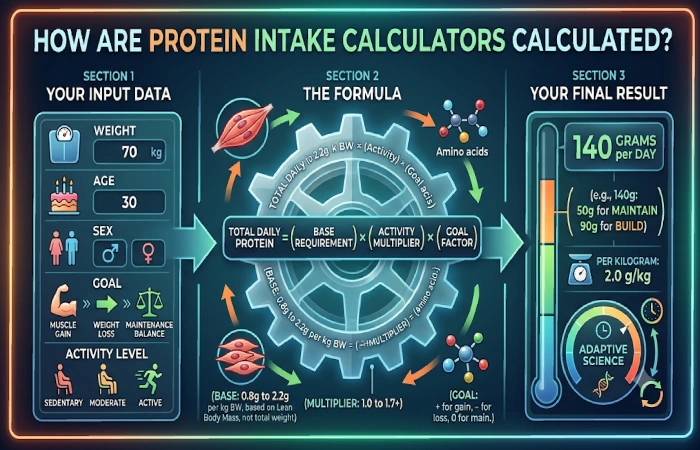
To make calculating grams of protein for you easier protein calculators typically take the following into account:
Common inputs include
- Age
- Gender
- Body weight
- Height
- Activity level
- Fitness goal
- Exercise frequency
It goes on to determine a suggested daily protein intake based on scientific ranges, rather than just picking one number.
Finding protein you need
Another easy way of counting needs of protein is by means of grams of protein per each kg of weight.
| Goal | Protein Recommendation |
|---|---|
| Sedentary adult | 0.8 g/kg/day |
| Recreational exercise | 1.0–1.2 g/kg/day |
| Endurance training | 1.2–1.6 g/kg/day |
| Muscle gain | 1.6–2.2 g/kg/day |
| Calorie deficit with strength training | 2.0–2.4 g/kg/day |
The ranges were the result of an extensive analysis on sports nutrition research and can very based on certain circumstances for you.
Your daily protein target can vary with body weight and activity level, so use these ACSM protein intake recommendations as a general evidence-based reference when estimating your needs.
Grams of Protein per kg Explained
Body weight is normally measured in kilograms.
Example
Weight:
70 kg
Goal:
Muscle gain
Recommended intake:
1.8 g/kg
Calculation:
70 × 1.8 = 126 grams of protein per day
This amount can then be spread across several meals throughout the day.
Muscle Gain Protein Calculator Workflow
Step 1
Measure your body weight.
Step 2
Select your primary goal.
Step 3
Choose your activity level.
Step 4
Multiply your weight by the recommended protein range.
Step 5
Distribute protein evenly across 3–5 meals.
Step 6
Watch progress and see what happens.
Daily Protein Calculator Example
| Weight | Protein Target (1.6 g/kg) | Protein Target (2.0 g/kg) |
|---|---|---|
| 50 kg | 80 g | 100 g |
| 60 kg | 96 g | 120 g |
| 70 kg | 112 g | 140 g |
| 80 kg | 128 g | 160 g |
| 90 kg | 144 g | 180 g |
| 100 kg | 160 g | 200 g |
These are estimates rather than strict rules.
Why is protein important to gain muscle
Protein contains amino acids that are used to rebuild as well as grow the damaged as well as break muscles after a resistance training workout.
Benefits include:
- Supports muscle recovery
- Helps repair exercise-induced muscle damage
- Assists lean muscle growth
- Helps maintain muscle during weight loss
- May improve satiety
Only muscle protein will not guarantee your muscle growth with a deficit in training and balanced nutrition.
Best Protein Sources
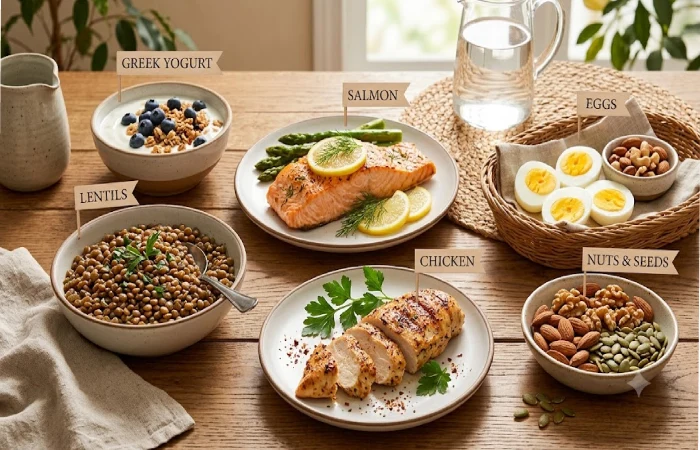
Animal protein
- Chicken breast
- Eggs
- Fish
- Turkey
- Lean beef
- Greek yoghurt
- Cottage cheese
Plant protein
- Lentils
- Chickpeas
- Tofu
- Tempeh
- Soy milk
- Quinoa
- Kidney beans
You will have a lot of a range in your eating habits and in nutritional breakdown than supplements possibly can do.
Should You Use Protein Powder?
Protein powder is simply a convenient food option.
It may be useful if:
- You struggle to reach your daily target
- You have limited meal preparation time
- You train immediately after work
- You need portable nutrition
It should not replace balanced meals containing whole foods.
Management Of Expectation
One protein calculator can guess the intake level, but building muscles would also depend on many other issues too.
These include:
- Progressive resistance training
- Adequate calorie intake
- Sleep quality
- Recovery
- Training consistency
- Genetics
Although for most people it’ll require months, no days even if getting some protein on their dish.
Common Mistakes
Many people:
- Eat plenty of protein but skip strength training.
- Consume all their protein in one meal.
- Ignore overall calorie intake.
- Believe more protein automatically means faster muscle growth.
- Forget hydration and recovery.
“Consistency” typically beats “perfection” any day of the week.
Protein Recommendations by Fitness Goal
| Fitness Goal | Recommended Protein | Primary Focus |
|---|---|---|
| General health | 0.8 g/kg | Daily nutrition |
| Weight loss | 1.6–2.4 g/kg | Preserve muscle |
| Muscle gain | 1.6–2.2 g/kg | Build lean muscle |
| Endurance sports | 1.2–1.6 g/kg | Recovery |
| Strength athletes | 1.6–2.2 g/kg | Performance and muscle development |
Practical Example
A 75 kg human being exercising 4x/week wants to build muscle.
Recommended range:
1.8–2.0 g/kg
Daily protein:
135–150 g
Possible meal distribution:
- Breakfast: 30 g
- Lunch: 35 g
- Snack: 25 g
- Dinner: 40 g
- Evening snack: 20 g
Instead of stuffing one large meal down at one time, breaking up your protein intake evenly across the entire day is generally more beneficial when it comes to muscle protein synthesis.
Is a Protein Calculator Accurate?
For many healthy adults, a protein calculator is a reasonable recommendation but not a strict prescription.
Its accuracy depends on:
- Correct body weight
- Honest activity level
- Appropriate fitness goal
- Up-to-date nutrition research
Additional tips for your sport In cases of medical condition pregnancy kidney disorder training to high level special condition with a doctor or nutritionist.
FAQs
Best protein calculator for muscle gain Protein calculator.
For a practical estimate of muscle gain protein requirements, use a protein calculator that considers your body weight, activity level and fitness goals, along with a balanced diet and resistance training.
What protein consumption is needed for muscle-building?
Researchers mostly agree on approximately 1.6g up to 2.2g of protein per kg bodyweight on training day for otherwise healthy adults doing strength training on regular.
Is more protein, always better?
No, it’s not beneficial to exceed what your body is already absorbing with additional amounts.
Do Beginners Track protein?
Yes, monitoring protein intake helps in eating right with a training routine, beneficial for recovery while strength training.
Can Vegetarians Gain Muscle On Enough protein?
Yes. Consuming plant-based protein from different foods should supply the protein you need to gain muscle if you get enough calories in a day.
Conclusion
The Use of a Protein Calculator to Optimize for Muscle Gain There are a number of practical uses for the protein calculator that are geared towards increasing the size of your muscles. At this juncture, I must caution that no particular calculation or methodology will ensure your muscles grow bigger from scratch nor from adding a specific amount of protein to your existing diet each day. Using protein based in some fashion to guide supplement and whole food recommendations will assist a individual developing and executing the nutrition component of an exercise regimen geared toward long-term gains and performance. Incorporate regular resistance training and sufficient amounts of sleep, along with a generally healthy and balanced diet; in addition to adding the proper protein in terms of quantities.
How Much Protein to Gain Muscle Hub
Learn how much protein you need to build muscle, calculate your daily protein intake, discover the best high-protein foods, optimise post-workout nutrition, compare whey vs food protein, and avoid common protein mistakes.