
How Much Protein After a Workout?
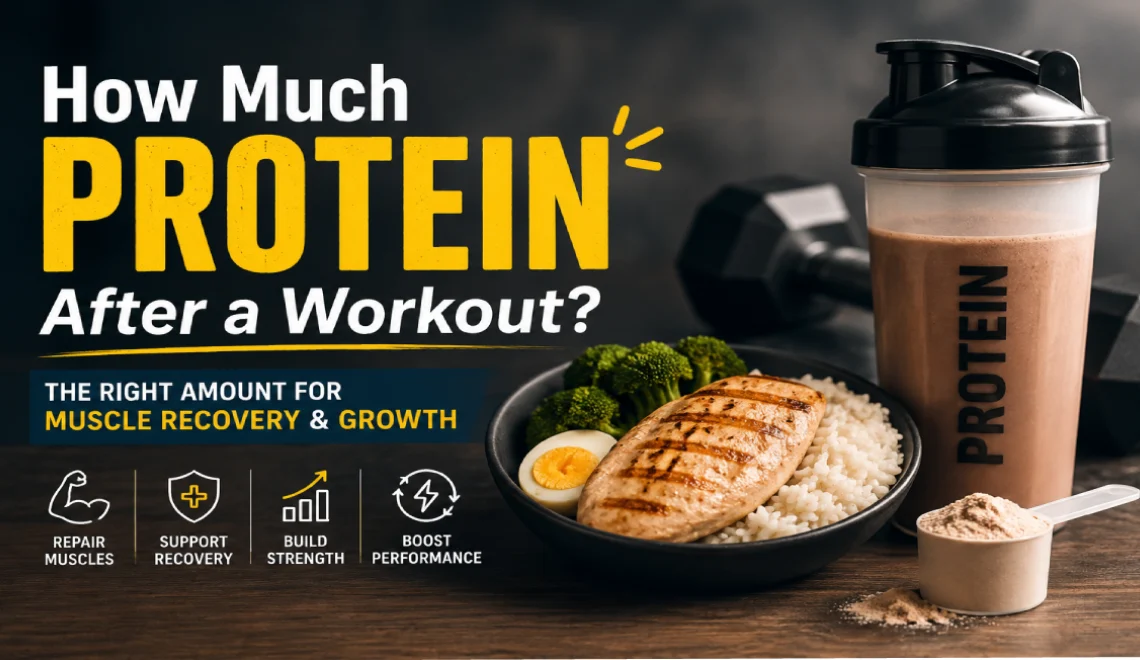
How Much Post-Workout Protein Should You Consume?
When you exercise, micro-tears in the muscle, damage done from training, can begin to recover, especially when you replenish by giving the muscles those amino acids and other building blocks of tissue called protein. While 20-40g is often considered sufficient after activity, it’s overall daily protein consumption that will make the greatest difference.
This Article Is Part of the Fitness Tips Hub
Discover proven fitness strategies, workout plans, strength training techniques, cardio exercises, recovery tips, and healthy lifestyle advice in our Fitness Tips Hub.
Protein after a workout: Why protein after a workout
Exercise, especially strength training, causes micro-tears in your muscle fibers. They will repair this tissue to make your muscles bigger and stronger next time .
Protein helps by:
- Supporting muscle repair
- Promoting muscle protein synthesis
- Preserving lean muscle mass
- Supporting recovery after training
- Helping maintain strength during weight loss
With a low amount of food protein, can recovery slowly, it can for someone training several days in a row.
Your Post-Workout Protein Goal: How much protein should you be taking?
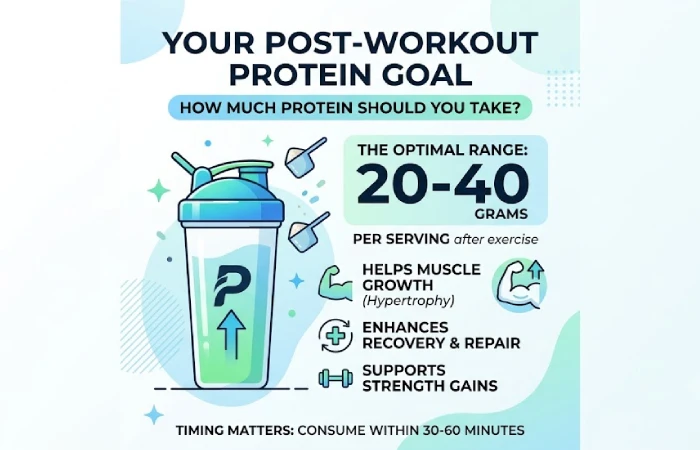
The exact quantity to focus on in your post workout nutrition for recovery and muscle building depends upon a variety of elements.
These include:
- Body weight
- Age
- Training experience
- Exercise intensity
- Daily calorie intake
- Overall health
General Recommendations
| Individual | Recommended Protein After Workout |
|---|---|
| Recreational exerciser | 20–25 g |
| Regular gym-goer | 20–30 g |
| Strength athlete | 25–40 g |
| Older adults | 30–40 g (depending on needs) |
Instead of consuming an overload of protein at one sitting try breaking this up and spreading out your protein intake over the day.
Protein Timing for Muscle Growth
A major argument within sports nutrition circles is when to eat protein in a day for muscle development. Many previously were advised of having only a half an hour “anabolic window” of opportunity to feed your muscles. Recent studies advise us protein does indeed boost exercise and can still be helpful even if time is a little bit after it.
When Should You Eat?
- Within 1–2 hours after exercise is generally practical for most people.
- If you ate a protein-rich meal before training, immediate protein intake is less critical.
- If you trained fasted, eating protein sooner may support recovery.
It’s all about consistency rather than perfection.
Protein after workout – foods or shakes?
Whether to use a shake or real food Protein intake after exercise can come from whole foods or shakes.
| Option | Protein Quality | Convenience | Cost | Best For |
|---|---|---|---|---|
| Whey protein | Excellent | Excellent | Moderate | Quick recovery |
| Milk | High | Easy | Low | Everyday use |
| Eggs | Excellent | Moderate | Affordable | Breakfast recovery |
| Paneer | High | Moderate | Moderate | Vegetarian diets |
| Chicken breast | Excellent | Moderate | Moderate | Main meals |
| Greek yoghurt | High | Easy | Moderate | Snacks |
| Tofu | High | Moderate | Affordable | Vegan diets |
When you select foods which aren’t processed they’re also full of fibre, minerals and vitamins.
When to drink a protein shake:
The optimal timing for your protein shake depends on your habits and cooking preferences.
A protein shake can be useful if:
- You cannot prepare a meal soon after training.
- You exercise before work or college.
- You need a convenient protein source while travelling.
- You have higher daily protein requirements.
However, your protein shake isn’t always essential if you have access to a whole and nutritious meal following the exercise session.
Timing the intake of your recovery protein
Throughout the day, your protein should not have to be taken in all at once. Spread out your protein so that it is taken over the course of your day.
Example Distribution
| Meal | Protein Target |
|---|---|
| Breakfast | 20–30 g |
| Lunch | 25–35 g |
| Snack | 15–20 g |
| Dinner | 25–35 g |
So we always have a drip feed of the building amino acids for you to repair muscle in the body.
Best Post-Workout Protein Foods
Getting enough protein throughout the day is important for muscle recovery and adaptation, while resistance training also increases the body’s demand for protein, according to ACSM’s protein guidance.
Non-Vegetarian Options
- Chicken breast
- Fish
- Eggs
- Greek yoghurt
- Milk
Vegetarian Options
- Paneer
- Tofu
- Soy chunks
- Lentils
- Chickpeas
- Kidney beans
- Milk
- Curd
Combining grains (like rice) and pulses (like dal) may also lead to better quality proteins.
Post-Workout Meal Ideas (Indian)
Option 1
Grilled chicken, rice and vegetables
Approximate protein:
30–35 g
Option 2
Paneer bhurji with whole wheat roti
Approximate protein:
25–30 g
Option 3
Greek yoghurt with fruit and nuts
Approximate protein:
20–25 g
Option 4
Moong dal chilla with curd
Approximate protein:
20–25 g
Option 5
Milk, banana and whey protein protein smoothie
Approximate protein:
25–35 g
Post-Workout Protein Workflow
Step 1 – Finish YourWorkout
Step 2 – Take the Drink
3. Eat 20-40 grams of good protein anywhere within the next two to three hours.
4. Eat some carbs if the training was really intense and/or lengthy.
Step 5 – Keep hitting your daily protein target with further protein-containing meals!
Will You Gain More Muscle if You Eat More Protein?
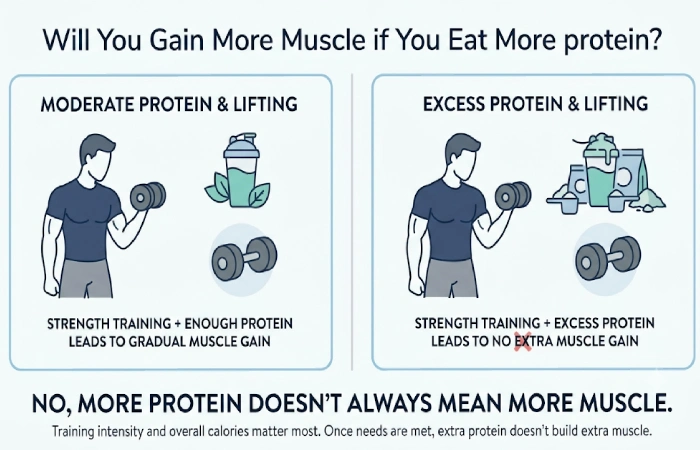
“Will you gain more muscle and have you body build bigger then normal if you take too much protein.”
Extra protein isn’t always more gains The body’s muscle-building and repair process involves a multitude of factors, such as:
- Progressive resistance training
- Total calorie intake
- Recovery
- Sleep
- Genetics
- Training consistency
Your protein won’t work any magic on that, it just helps things along the same old way as a healthy diet will in general. When you can begin seeing actual muscle development, it will happen slowly more than weeks, or it may indeed take a few months.
Common Mistakes After a Workout
- Skipping meals after training
- Relying only on protein shakes
- Ignoring carbohydrates
- Eating too little overall
- Not drinking enough fluids
- Missing sleep
- Assuming more protein always means faster muscle growth
Advantages and Disadvantages of Protein at the Post-Workout
Benefits
- Supports muscle recovery
- Helps repair muscle tissue
- Convenient to include in meals
- Can help preserve lean muscle during weight loss
- Can be made with a vegetarian as well as non-vegetarian base
Limitations
- However, protein by itself will not make your muscles grow.
- Individual needs vary.
- Excess protein may simply contribute to overall calorie intake.
- Overall dietary quality remains important.
FAQs
What protein should I take after a workout?
A large amount of people, once having finished exercise, will consume around 20-40g of protein, although what you get will certainly depend to an amount of your weight and form of preparation.
How necessary is protein after a work out?
It is not required. Whole foods that contain abundant amount of protein like dairy (milk, curd,paneer), eggs, meat and fish are well sufficient and good source of post-workout nutrition.
When is a protein shake best taken?
Anytime that suits your protein requirements in a day.
Can I gain without a protein supplement?
Of course you will gain as long as you are in a calorie surplus, eating more then your body needs and including foods to give your protein intake.
Will eating more protein build muscle quicker?
Probably not. In addition to enough protein, your muscles are influenced by training, rest, calorie input and all nutrition to grow.
Conclusion
While knowing how much protein after a workout is helpful to facilitate your muscle recovery, it’s just one piece of a healthy nutrition strategy. For most individuals who are hitting their total protein intake for the day, 20 to 40g of protein within this range can provide value for most people after a workout.
Whether from a scoop of protein powder or from real food sources, consistency is far more important than trying to obtain the perfect post workout protein split. Together with progressive overload resistance training, plenty of sleep and a well rounded meal plan, strategic use of post workout protein can assist your goals over time.
How Much Protein to Gain Muscle Hub
Learn how much protein you need to build muscle, calculate your daily protein intake, discover the best high-protein foods, optimise post-workout nutrition, compare whey vs food protein, and avoid common protein mistakes.