
Cardio Before Weights for Fat Loss

Introduction
As discussed, weight loss simply means burning enough calories to ensure you’re running at a deficit, and many people rely on treadmill running because a considerable amount of cardio burns a substantial number of calories. However, some people like to pump weights first and then proceed with cardio at the gym; if this setup works best for you, there are a lot of benefits you might be missing out on. For those that want to become serious about their physical condition, be in the process of making or losing body mass, as well as muscle gains, diving into a deeper pool of analysis will be required for some techniques that enhance overall workout effectiveness.
A change in the workout process order could improve workouts and how your body looks in due time.
Below are reasons that explain why doing cardio prior to lifting benefits some individuals and the potential downsides; in addition, they could guide in making the decision a more beneficial alternative for each.
This Article Is Part of the Fitness Tips Hub
Discover proven fitness strategies, workout plans, strength training techniques, cardio exercises, recovery tips, and healthy lifestyle advice in our Fitness Tips Hub.
What does it mean to do cardio before lifting?
To do cardio prior to weightlifting for the sake of losing weight simply means that cardio is going to come prior to when you move to a session with barbells or machines for getting strong. Cardiovascular exercise prior to lifting weight does offer an increased possibility for calorie consumption and for the reasons of fat reduction; nevertheless, it’s certainly not the smartest option for everyone all of the time.
How does workout order play a role in losing fat?
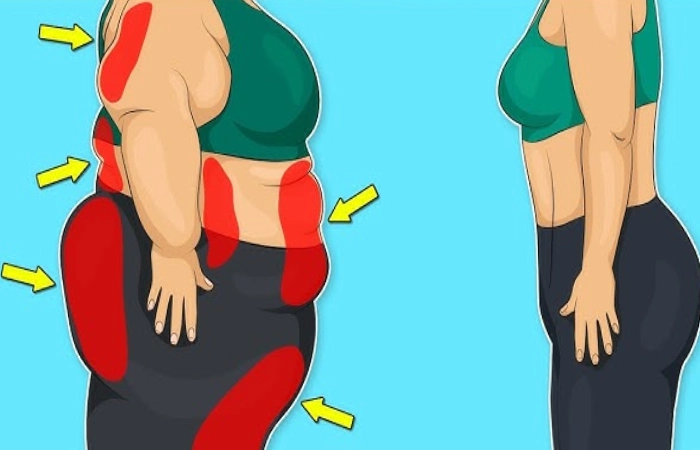
Weight loss is now so a great deal discussed now, so people talk a lot about what it truly feels like to obtain two % or three% leaner from your entire body weight because this frequently occurs whenever were carrying out something to obtain lean, it takes for us to start expending power and using calories, which we’ll consume right back by doing cardio.
Along with all of benefits to shedding weight, which isn’t to achieve this little bit less, also we shall have power and remain all muscular tissue required maintain a powerful burning metabolism. It’s difficult since some workout routines trigger burned far more calories than others.
- Workout intensity
- Total calories burned
- Strength performance
- Muscle preservation
- Recovery quality
- Exercise adherence
Deciding the way that some things come first helps in training to improve. Also, in the same manner, it goes about helping one manage their weight over time. The order that we work things out is critical both in our workouts and when one has to do weight management; for example, it’s over time for weight loss. So if a person is to manage his/her weight, deciding to get the correct working out order in place becomes very significant.
Will Doing Cardio Workouts in the Morning Boost Fat Loss Results?
Yes, doing cardio before resistance training is good for fat loss. But how effective it depends on how cardio impacts your next strength workout. Often people who do cardio first feel the following:
Possible advantages
- More energy during a cardiovascular workout.
- Enhanced cardiovascular capacity.
- More calorie burns in cardio workout activities.
- More equipped for endurance trainings.
Possible Drawbacks
- Less energy for strength work
- Lower lifts
- Potential decrease in training volume
- Higher fatigue during resistance exercise
When all is said and done, research supports that muscle mass and body composition should not suffer in your efforts.
Cardio Before Lifting: When It Makes Sense
You Should Consider Cardio Before Lifting If
- Your primary goal is improving endurance.
- You are training for running, cycling, or sports events.
- You prefer exercising on cardio machines first.
- You perform only light-to-moderate cardio.
- Strength gains are not your main focus.
Examples
- Walking for 20 minutes before circuit training.
- Moderate cycling before a full-body workout.
- Jogging before sports-specific practice.
Fat-Burning Cardio Workout Options
Choosing the type of cardio often carries more importance than workout order.
Moderate-Intensity Steady-State Cardio
Examples include:
- Brisk walking
- Cycling
- Elliptical training
- Swimming
- Benefits:
- Easier recovery.
- Suitable for beginners.
- Lower injury risk.
High-Intensity Interval Training (HIIT)
Examples include:
- Sprint intervals
- Assault bike intervals
- Rowing intervals
- Benefits:
- Time efficient.
- High calorie expenditure.
- May improve cardiovascular fitness rapidly.
Comparison Table: Cardio Types for Fat Loss
| Cardio Type | Intensity | Time Required | Suitable for Beginners | Recovery Demand |
| Brisk Walking | Low | 30–60 mins | Yes | Low |
| Cycling | Moderate | 20–45 mins | Yes | Low |
| HIIT Sprints | High | 10–20 mins | No | High |
| Rowing Intervals | High | 15–25 mins | Moderate | High |
| Incline Walking | Moderate | 20–40 mins | Yes | Moderate |
Cardio First Benefits
Many people enjoy several practical advantages when beginning workouts with cardio.
- Better Endurance workout
If your main goal for workouts is better running performance, it allows you to reserve your full energy in the running form while your glucose stores are in the best condition for you. It may apply to workouts in cycling and rowing as well.
- Better warm-up
A low-intensity warm-up of cardio helps you gradually increase blood circulation in the body and joints’ mobility and get your core body temperature into the workout zone.
- Having fun
When I ask a new client what kind of workouts they like most, many people will tell me, “I really like my workout to end with a few miles on a treadmill or my rowing.” Having fun will most likely guarantee their commitment.
- Mental Boost
When starting with cardio, and after that having completed all low-intensity movements, it can increase confidence during a gym workout.
The confidence can lead to staying focused on all other workouts for the rest of gym class.
Weight-Loss Workout Order: What Should I Do? What Science Recommends
While cardio before weights can increase calorie expenditure during the workout, research suggests that the best workout order depends on whether your goal is fat loss, endurance, or muscle gain. Learn more from ACE Fitness’ guide on Cardio Before or After Weights.
Most professionals recommend working out based on your biggest goal.
| Primary Goal | Recommended Order |
| Fat loss with muscle retention | Weights → Cardio |
| Endurance improvement | Cardio → Weights |
| General fitness | Personal preference |
| Strength gains | Weights → Cardio |
| Athletic conditioning | Goal-specific programming |
If you want to lose fat and retain lean muscle, many people agree it’s best to lift first, as the quality of your training sessions will be better as well.
Fasted cardio can be used for fat loss. Do you think so?

Fasted cardio training is when you exercise in a fasted state, i.e., typically before breakfast on an empty stomach.
Possible Advantages
- Convenient for morning exercisers.
- May increase fat oxidation during exercise.
Limitations
- Total daily fat loss appears similar when calorie intake is controlled.
- Some individuals experience dizziness or reduced performance.
- Not suitable for everyone.
Existing data suggests that total energy balance, overall consistency, is more critical compared to whether you perform your cardio in the fasted state.
Practical Workflow: Balanced Fat Loss Session
Step 1: Dynamic Warm-Up (5–10 Minutes)
Perform:
- Leg swings
- Arm circles
- Bodyweight squats
- Walking lunges
Step 2: Resistance Training (30–45 Minutes)
Focus on compound exercises:
- Squats
- Deadlifts
- Rows
- Bench press
- Shoulder press
Step 3: Cardio Session (15–30 Minutes)
Choose:
- Incline treadmill walking
- Cycling
- HIIT intervals
Step 4: Cool Down (5 Minutes)
Include:
- Gentle walking
- Stretching
- Hydration
Setting Expectations: Just What Will the Outcome Look Like?
If you and some friends, on the other hand, were looking for some really immediate fat loss from their morning workout swap, you likely would be in for a surprise.
Typical Fat Loss Rates
Most health organizations recommend aiming to lose approximately:
0.25–1 kilogram per week
Actual results depend on:
- Nutrition habits
- Sleep quality
- Exercise consistency
- Stress levels
- Genetics
- Starting body composition
The order of exercises usually does not affect a lot by itself. Your general consistent training schedule, diet approach to life, and protein intake is the most effective way to increase progress in the long run.
What Not to Do: Mistakes Made Commonly
Doing Too Much Cardio: Cardio burns muscle and delays recovery when done to extreme.
Ignoring the Power of Strength Training: You need strength to overcome cardio training; without muscle mass, you will start to waste away as you drop calorie intake.
The food: You simply can’t get away with a lack of nutrition with exercise alone.
Training Without Recovery: Insufficient sleep and rest can reduce fat loss progress.
Pros and Limitations of Cardio Before Weights
| Pros | Limitations |
| Improves endurance performance | May reduce lifting performance |
| Increases calorie expenditure during cardio | Can increase fatigue |
| Useful for athletes | Less suitable for strength-focused individuals |
| May improve exercise adherence | Potential reduction in muscle-building stimulus |
Who Should Perform Cardio Before Weights?
Suitable For:
- Endurance athletes.
- Recreational exercisers prioritizing cardiovascular fitness.
- Individuals who enjoy cardio first.
- Beginners seeking general fitness.
May Not Be Ideal For:
- Individuals focused on muscle growth.
- Competitive strength athletes.
- People performing intense resistance training.
Conclusion
However, while the above will work for fat burning purposes, particularly if your primary training concern is simply building more endurance, the majority of you looking to lose fat while preserving lean muscle, will probably be better served doing your cardio after you do your weights. Nevertheless, at the end of the day, the single best training sequence you’ll be able to adhere to long-term and without compromising your recovery, healthy nutrition, and training quality is simply the one you actually follow long-term. After all, it isn’t the sequencing of your workout, but the long-term execution and adherence that define ultimate success.
FAQS
Cardio before weights or weights before cardio to lose fat—what is better?
If the goal of the client dictates it, there really isn’t one correct answer — if the client’s primary goal is to minimize muscle loss during the fat loss phase, it’s perfectly sensible to start their workout with resistance training, according to Spindel.
How many minutes of cardio should you do per week, few times a week, to lose fat?
It’ll all depend on you, but basically the sweet spot will be any amount that consists of about 20-45 minutes of cardiovascular training 2-3 days per week.
I am new to exercising. Should I do cardio before lifting?
A brief bout of moderate-to-light cardio prior to your lifting in order to prepare the body for intense movement (also known as a warm-up) in a weightlifting program for beginners is definitely appropriate.
Cardio prior to your workout—does it help to shed fat?
Fasted training helps in the burning of more calories during your training session; however, if you are attempting to achieve fat loss, then a caloric deficit still has to be maintained.
What kind of cardio training, especially HIIT, should I be doing prior to my weight session?
Heavy weight training, such as squats and deadlifts, would definitely be extremely difficult if done following some high-impact cardio, which is why it may be best to do cardiovascular exercise at the end of their weight training workouts or some other time of day altogether.
Cardio Before or After Weights Hub
Learn the best way to combine cardio and weight training for fat loss, muscle gain, HIIT workouts, workout scheduling, and overall fitness performance.