
Smart Gym Gadgets: A Practical Guide to Smarter Workouts
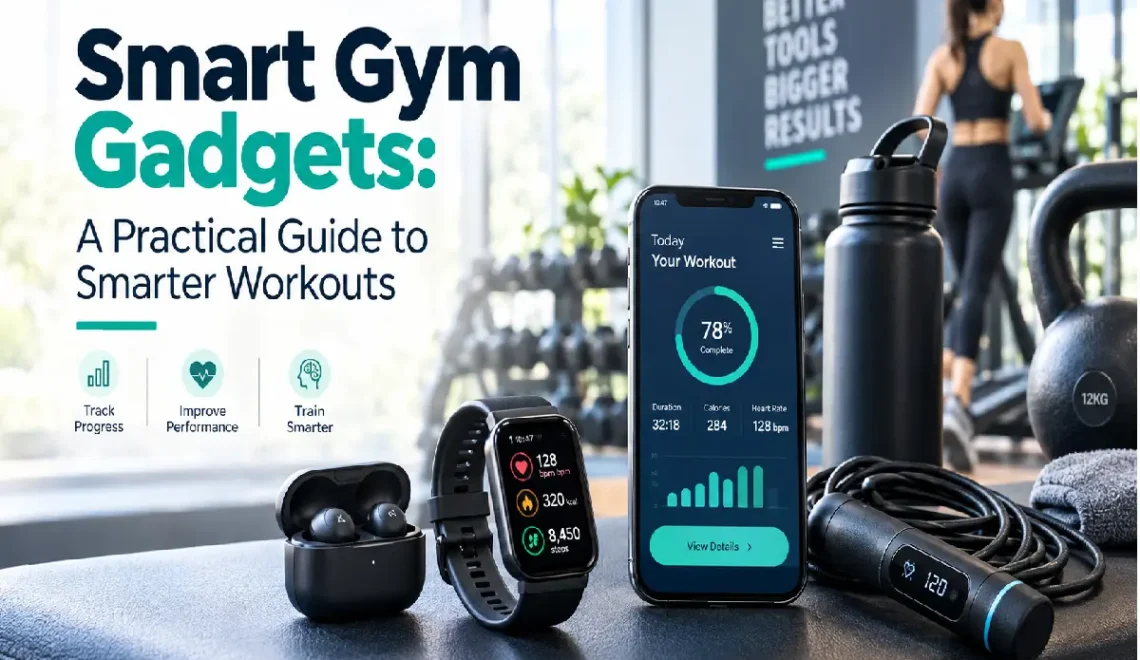
Smart gym gadgets are becoming a familiar part of modern workouts. From wearable trackers and heart-rate monitors to connected strength equipment, these devices can help gym-goers record workouts, monitor selected performance measures and understand their exercise habits. However, technology is most useful when it supports a well-structured fitness routine rather than becoming a substitute for proper training.
Whether you are new to the gym or already follow a regular programme, understanding what different gadgets actually do can help you decide which technology is worth using.
This Article Is Part of the Fitness Gadgets Hub
Explore fitness gadgets, smart workout devices, wearable technology, features, guides, and other useful information in our Fitness Gadgets Hub.
What Are Smart Gym Gadgets?
Smart gym gadgets are electronic or connected devices designed to support exercise, fitness tracking or workout management.
Some gadgets are worn on the body, while others are built into exercise equipment or connected to a smartphone. Depending on the product, they may track information such as heart rate, repetitions, distance, workout duration or training volume.
Common examples include:
- Smartwatches
- Fitness trackers
- Heart-rate monitors
- Smart skipping ropes
- Connected strength-training equipment
- Smart scales
- Wireless workout headphones
- Fitness sensors
The useful features depend on the type of training you perform.
Popular Types of Smart Gym Gadgets
Smartwatches and Fitness Trackers
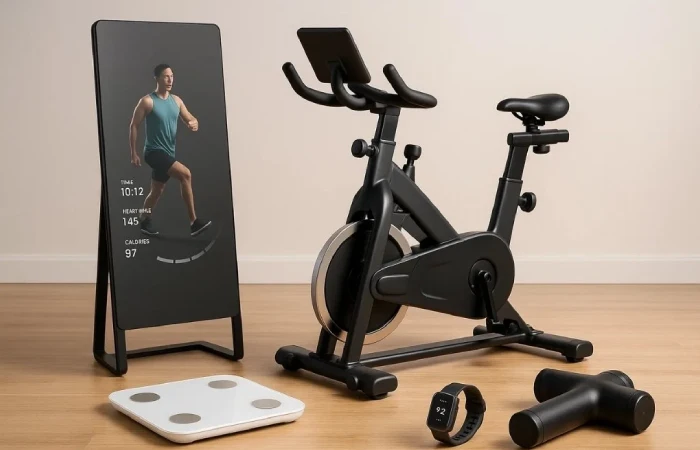
Smartwatches and fitness trackers are among the easiest gadgets to incorporate into a gym routine. They can record workout duration, steps, heart rate and, on some models, specific exercise types.
Some devices also offer GPS, training summaries and smartphone notifications.
For someone combining gym sessions with walking, running or outdoor activities, one wearable can provide a convenient overview of activity.
Heart-Rate Monitors
Heart-rate monitors provide information about heart rate during exercise. Wrist-based sensors are common, while chest-strap monitors are another option for people who want continuous readings during training.
They can be useful during cardiovascular workouts where exercise intensity changes. However, consumer readings are estimates and should not be considered a medical diagnosis.
Smart Strength Equipment
Some modern gym machines and home-gym systems include digital displays, sensors or smartphone connectivity. These systems may record repetitions, resistance, workout duration or training history.
Such technology can make it easier to review workouts, although experienced gym-goers may still prefer traditional equipment and manually recorded training logs.
Smart Skipping Ropes
Smart skipping ropes combine a traditional cardio exercise with digital tracking. Depending on the model, they may count jumps, record workout duration and connect with an app.
They can be useful for short cardio sessions, warm-ups or conditioning workouts.
Smart Scales
Smart scales can record body weight and may estimate body-composition measurements such as body-fat percentage or muscle mass.
These readings can be useful for observing broad trends, but they can change because of hydration and other factors. They should therefore not be treated as exact measurements.
Smart Gym Gadgets: Features and Specifications
Different gadgets provide different capabilities. Instead of choosing based only on the number of features, consider whether a particular specification is relevant to your training.
| Feature | Purpose | Useful for |
|---|---|---|
| Heart-rate sensor | Tracks estimated heart rate | Cardio and conditioning |
| Workout tracking | Records exercise sessions | General training |
| Repetition tracking | Records selected movements | Strength training |
| GPS | Measures outdoor route and distance | Running and cycling |
| Smartphone connection | Transfers workout data | Progress tracking |
| Water resistance | Helps protect against moisture | Sweaty workouts |
| Battery life | Determines charging frequency | Regular use |
| App integration | Stores and displays data | Long-term monitoring |
How to Use Smart Gym Gadgets: A Simple Workflow
Using several gadgets at once is not necessary. A simple approach is usually easier to maintain.
Step 1: Choose a specific goal.
Decide whether you want to monitor strength training, cardio, daily activity or workout consistency.
Step 2: Select relevant data.
Focus on measurements that can actually influence your training, such as workout duration or training volume.
Step 3: Set up the device correctly.
Follow the manufacturer’s instructions for wearing, charging and connecting the gadget.
Step 4: Record workouts consistently.
Use the device over several weeks rather than judging progress from one session.
Step 5: Review trends.
Look at changes in your workouts and activity levels over time.
Step 6: Adjust gradually.
Use the information as feedback when making sensible changes to your training routine.
Smart gym gadgets are increasingly connected with wearable technology, sensors and fitness apps, allowing users to track workout data and receive more personalised feedback during training. The American College of Sports Medicine explains how mobile and smart fitness technology is changing personalised exercise.
Performance Expectations: What Can Smart Gadgets Really Do?
Smart gym gadgets can improve the convenience of tracking, but they cannot guarantee faster fitness results.
For example, a device may accurately record that you completed a 40-minute workout, but its estimate of calories burned may be less precise. Similarly, a wearable may provide useful heart-rate trends without producing medical-grade measurements.
Strength-training technology can also have limitations. Sensors may not recognise every exercise or repetition correctly, particularly when movements vary between users.
For this reason, use gadget data as supporting information, not as the sole measure of progress.
Other indicators such as strength, endurance, exercise consistency, recovery and how you feel during training can provide valuable context.
Benefits and Limitations
Benefits
- Makes workout tracking more convenient
- Can help organise training information
- Provides useful activity trends
- May support goal setting
- Can record workouts automatically
- Some devices connect with fitness apps
Limitations
- Some measurements are estimates
- Advanced gadgets can be expensive
- Devices require charging and maintenance
- Sensors may occasionally record incorrect information
- Apps can collect personal activity data
- Too much tracking can make workouts unnecessarily complicated
The goal should be to use technology where it genuinely adds value.
Who Should Use Smart Gym Gadgets?
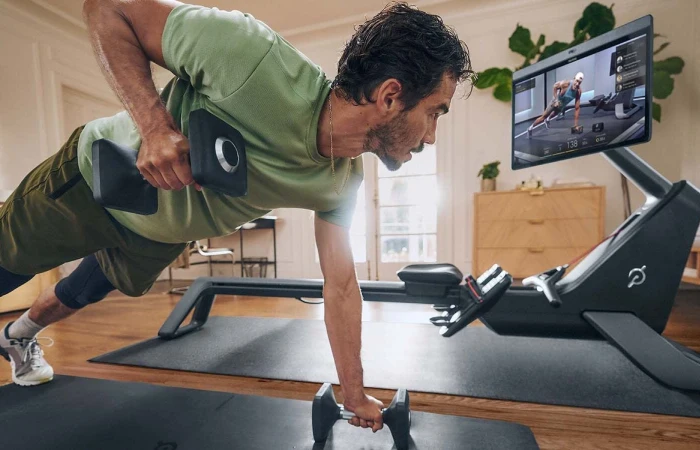
Smart gym gadgets may suit people who enjoy tracking workouts, following structured programmes or reviewing progress over time.
They can also be useful for runners, cyclists, recreational athletes and gym-goers who like combining resistance training with cardiovascular exercise.
Beginners can use simple devices to understand their activity, but expensive technology is not essential. A notebook or basic smartphone app can be enough for recording exercises, sets and repetitions.
Who Should Avoid Them?
A gadget may not be worthwhile if you are unlikely to use its features regularly.
If tracking every workout number makes exercise feel stressful, simplifying your routine may be more helpful. Similarly, someone just starting strength training may benefit more from learning proper technique and building consistency before worrying about advanced tracking.
Buying Tips for Smart Gym Gadgets
Before purchasing, consider:
- Your training goal: Choose features that match your actual workouts.
- Compatibility: Check whether the device works with your phone or preferred fitness app.
- Battery life: Frequent charging can become inconvenient.
- Comfort: Wearable gadgets should not interfere with exercise.
- Durability: Consider sweat and water resistance where appropriate.
- Data privacy: Review the manufacturer’s privacy information.
- Price: Avoid paying for features you are unlikely to use.
A simpler gadget that you use consistently can be more practical than an advanced device with features you never use.
Are Smart Gym Gadgets Reliable?
Smart gym gadgets are legitimate consumer technologies, but their accuracy varies according to the device, sensor, activity and conditions in which measurements are taken.
When buying one, look for clear product specifications, manufacturer information, software support and transparent privacy policies. Be cautious of products making unrealistic promises about health, fat loss or muscle gain.
Technology can measure or estimate certain aspects of exercise, but it cannot replace professional medical assessment or individual fitness guidance where these are required.
Frequently Asked Questions
What are smart gym gadgets?
Smart gym gadgets are connected or electronic fitness devices that help monitor workouts, activity or selected performance measurements. Examples include smartwatches, heart-rate monitors and connected gym equipment.
Are smart gym gadgets useful for beginners?
Yes, but they are optional. Beginners can use simple trackers to monitor activity, but building consistent exercise habits and learning correct technique should remain the priority.
Can smart gym gadgets track strength training?
Some can record workouts, repetitions or training data, but accuracy varies between devices and exercises. Manual logging can still be useful for detailed strength-training records.
Are smart gym gadgets worth buying?
Their usefulness depends on your goals and how often you will use the features. Choose a device because it solves a specific tracking or training need rather than simply because it has advanced technology.
Conclusion
Smart gym gadgets can make workout tracking more convenient and provide useful information about exercise and activity. Wearables, heart-rate monitors, connected equipment and other devices each have different strengths and limitations.
The most useful gadget is one that fits your training style and provides information you can realistically use. Treat readings as estimates or trends where appropriate, and keep the bigger picture in mind: consistent exercise, sensible progression, adequate recovery and good everyday habits remain central to long-term fitness.
Innovative Fitness Gadgets Hub
Explore our complete guide to innovative fitness gadgets, including smart gym gadgets, home workout devices, gadget reviews and comparisons, buying tips, and beginner-friendly fitness technology.