
Best Cardio Equipment for Home Gym: Complete Guide for Home Gym Users
Introduction
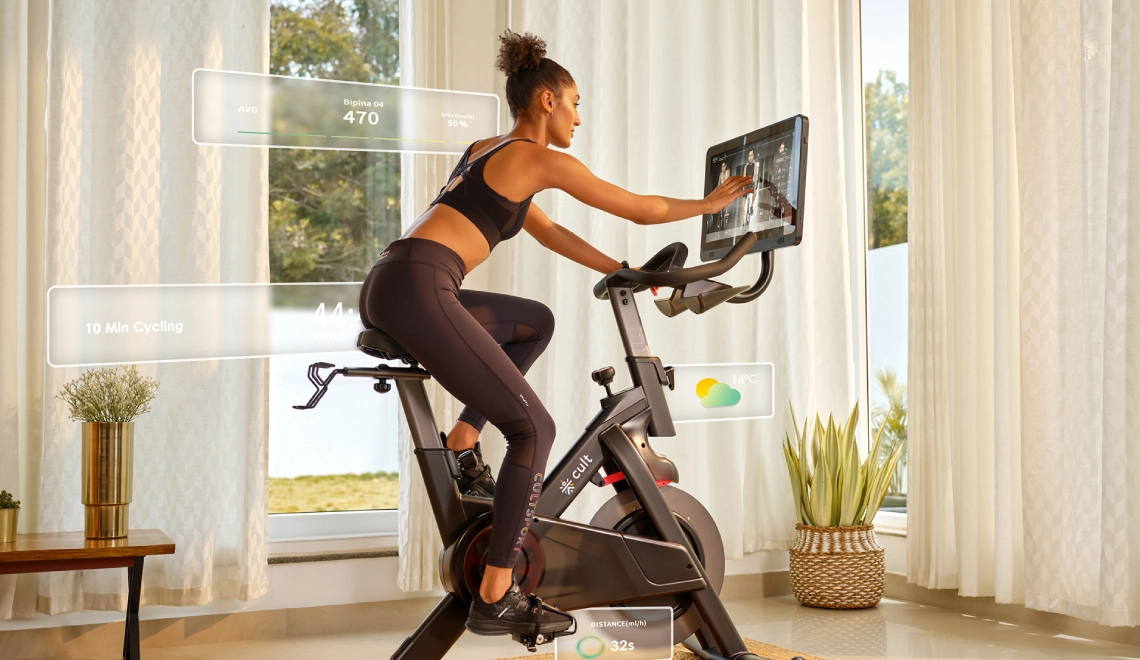
Making cardio exercise in your home gym enjoyable and achievable. To acquire a home gym setup, you may take many measurements, but everyone interested in a modern fitness setup has the desire to invest in a decent cardio machine that can facilitate consistent, convenient workouts in your space. There are so many reasons why you may wish to embrace the practice of including regular physical activity in your fitness plan. For instance, maybe you wish to lose a couple of pounds of fat or maybe the doctor advises you to work out more to promote the health of your heart, or perhaps you wish to remain healthy and active.
Whatever your motivations may be, when buying a piece of cardio equipment it’s important to select one that matches you. These modern-day workout bikes come with innovative, sleek, and compact designs. Treadmills with all the bells and whistles abound. It can get confusing as to where to start when it comes to shopping for one, since there are many brands that do not have similar benefits. Not everyone’s body reacts best to the same types of cardiovascular machines, and different individuals must give weight to different qualities in their exercise machine purchase, considering things such as space available, current fitness level, the sensitivity of their joints to certain movements, and the available budget.
Keep on reading this overview to educate yourself on the different categories of home cardio machines and discover which is the best option for you personally.
This Article Is Part of the Fitness Tips Hub
Discover proven fitness strategies, workout plans, strength training techniques, cardio exercises, recovery tips, and healthy lifestyle advice in our Fitness Tips Hub.
What Is Cardio Equipment?
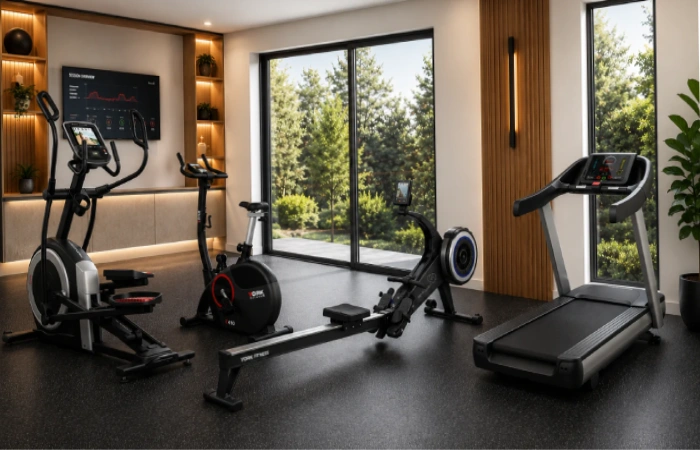
The most effective cardio workout equipment you’ll be able to own within your home gymnasium could also be machines you could discover are comfortable to work out on while improving your heart health. Treadmills, workout bikes, rowers, ellipticals, and climbing machines are areas of this cardio hardware type that are best suited to an array of home uses. Cardio workout equipment machines are utilized in gym and residential fitness systems designed to make workout sessions that have a workout intensity enough to raise the user’s heart rate.
Common examples include:
- Treadmills
- Workout bikes
- Rowing machines
- Ellipticals
- Stair climbers
- Air bikes
Regular cardiovascular exercise may contribute to:
- Improved heart health
- Better stamina
- Increased calorie expenditure
- Enhanced mood
- Better overall fitness
Regular cardio workouts improve heart health, endurance, and overall fitness. According to Harvard Health, consistent cardiovascular exercise can help reduce the risk of chronic diseases while improving energy levels
Home Cardio Machines: Types and Their Benefits
-
Treadmills
Treadmills emulate walking, running, and jogging indoors. Principal Features
- Adjustable speed settings
- Incline functionality
- Heart rate monitoring
- Pre-programmed workouts
- Foldable designs
Suitable For
- Walking enthusiasts
- Runners
- Weight-loss programmes
- General cardiovascular training
Limitations
- Requires more floor space
- Higher purchase cost
- Running may stress joints
-
Workout Bikes
Workout bikes provide low-impact cardiovascular exercise.
Types
- Upright bikes
- Recumbent bikes
- Spin bikes
Benefits
- Joint-friendly
- Compact footprint
- Suitable for beginners
- Quiet operation
Limitations
- Less upper-body engagement
- Long sessions may become repetitive
-
Rowing Machine for Home Use
Home rowers are a good choice if you are looking to achieve cardiovascular and strength training at home.
Muscles Involved
- Legs
- Back
- Core
- Shoulders
- Arms
Advantages
- Full-body workout
- Low-impact exercise
- Efficient calorie expenditure
- Improves endurance
Limitations
- Technique learning curve
- Requires adequate storage space
-
Elliptical Trainers
Ellipticals combine lower- and upper-body movement.
Benefits
- Minimal joint impact
- Smooth motion
- Full-body engagement
Suitable for rehabilitation programmes
- Drawbacks
- Larger footprint
- Premium models can be expensive
-
Air Bikes
Air bikes increase resistance as you pedal harder.
Best For
- HIIT workouts
- Athletes
- Conditioning sessions
Limitations
- Can be physically demanding
- Louder than standard bikes
Buying Guides – Best Home Cardio Machines
| Equipment | Impact Level | Space Requirement | Full Body Workout | Beginner Friendly | Typical Price Range (India) |
| Treadmill | Medium to High | High | No | Yes | ₹20,000–₹1,50,000 |
| Workout Bike | Low | Low | No | Yes | ₹8,000–₹60,000 |
| Rowing Machine | Low | Medium | Yes | Moderate | ₹15,000–₹90,000 |
| Elliptical | Low | Medium to High | Partial | Yes | ₹18,000–₹1,20,000 |
| Air Bike | Moderate | Medium | Yes | Moderate | ₹10,000–₹40,000 |
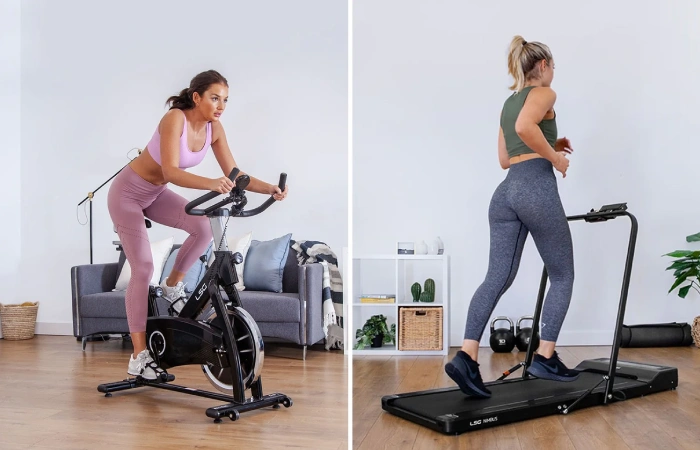
Treadmill vs Workout Bike: Which Is Better?
| Feature | Treadmill | Workout Bike |
| Calorie Burn | Higher during running | Moderate |
| Joint Stress | Moderate to High | Low |
| Space Needed | More | Less |
| Noise Level | Moderate | Low |
| Maintenance | Moderate | Low |
| Suitable for Seniors | Walking mode only | Often suitable |
Choose a treadmill if:
- You enjoy walking or running.
- You want outdoor running simulation.
- You have sufficient space.
Choose an Workout Bike If:
- You prefer low-impact workouts.
- You have knee discomfort.
- Space is limited.
Before buying indoor fitness equipment, check the following key things:
Motor Power
For treadmills:
- Walking: 2.0 CHP minimum
- Running: 2.5–3.5 CHP recommended
Maximum User Weight
Always select equipment supporting at least 15–20 kg above the user’s body weight.
Display Features
Useful metrics include:
- Speed
- Distance
- Time
- Calories
- Heart rate
Connectivity
Modern indoor fitness machines may offer the following:
- Bluetooth connectivity
- Mobile app integration
- Workout tracking
- Virtual training programmes
Foldability
Foldable equipment can benefit users with limited space.
Build Quality and Materials
| Component | Common Materials |
| Frame | Steel, Aluminium |
| Running Deck | Reinforced composite board |
| Flywheel | Cast iron, Steel |
| Handles | Foam, Rubber |
| Seat | Cushioned PU foam |
You should also consider a frame of hardened steel that is stable.
Performance Expectations: What Kind of Results Can You Reasonably Expect?
Cardio machines can assist with your fitness goals; however, it is essential that we establish realistic expectations.
Possible Benefits
- Upgraded cardiovascular strength
- Increased daily activity
- Better exercise consistency
- Support for weight management
- Enhanced energy levels
Limitations
- No machine guarantees weight loss.
- Results depend heavily on nutrition and overall lifestyle.
- Fitness improvements require consistent training.
Most people notice improvements in stamina within several weeks of regular exercise.
Home Cardio Workout Workflow
Beginner Weekly Routine Example
Monday
30-minute brisk treadmill walk.
Tuesday
20-minute cycling session.
Wednesday
Rest or light stretching.
Thursday
25-minute rowing workout.
Friday
30-minute bike or elliptical session.
Saturday
HIIT session using an air bike.
Sunday
Walk and rehab.
You might find that consistent effort has more pay off in the long run than some random crazy intense cardio sessions.
Home Cardio Machine Pros and Cons
Pros
- Convenient home workouts
- No commuting to a gym
- Weather-independent training
- Flexible scheduling
- Long-term cost savings
Cons
- Initial investment can be substantial.
- Equipment requires maintenance.
- Larger machines occupy space.
- Motivation may decline without structured routines.
Who Should Buy Home Cardio Equipment?
Home cardio equipment may suit
- Busy professionals
- Parents with limited time
- Individuals preferring home workouts
- Older adults seeking regular activity
- People living far from gyms
Who Should Avoid Purchasing Large Cardio Machines?
You may wish to reconsider if:
- Living space is extremely limited.
- You rarely exercise.
- You prefer outdoor activities exclusively.
- Budget constraints are significant.
A jump rope, resistance bands, or some of those new “body weight exercises” might actually be more effective for you in situations like those.
Legitimacy Section: Is Home Cardio Equipment Worth It?
As for many of these machines, this will turn into a worthwhile long-term home gym purchase for those who stick with them long enough. The scientific evidence for cardio is abundant; of course, a machine isn’t the cause of good results, and nothing can replace consistent usage, increased intensity over time, rest, and proper nutrition. Buying from trusted brand names and from an authorized dealership may contribute to quality.
Best Cardio Machine Alternatives
If large equipment is impractical, consider the following:
| Alternative | Suitable For |
| Skipping Rope | Small spaces |
| Walking Outdoors | Beginners |
| Bodyweight Circuits | Budget users |
| Stair Climbing | Apartment residents |
| Fitness Apps | Guided home sessions |
| Resistance Band Circuits | Minimal equipment training |
Buying Tips for Choosing the Best Cardio Equipment
- Define Your Goal
Ask yourself:
- Weight management?
- Running training?
- General fitness?
- Rehabilitation?
- Measure Available Space
Always measure:
- Floor area
- Ceiling height
- Storage availability
- Set a Realistic Budget
Include:
- Equipment cost
- Delivery charges
- Maintenance costs
- Consider Joint Health
Individuals with joint discomfort may prefer bikes, rowers, or ellipticals.
- Check Warranty Coverage
Look for:
- Frame warranty
- Motor warranty
FAQs
What’s the best cardio equipment for home gym usage?
A treadmill works great for walking and running; the rowing and bike machines are designed with lower impact in mind.
Which cardio machine burns the greatest number of calories?
Running, several different rowing machines, and brisk walking-style walking burn additional calories; some people do use cardio machines for better weight loss effects.
Are rowing machines good workouts?
Home rowing machines are a fantastic way to do a full-body cardiovascular exercise.
When using a treadmill versus a bike for exercising, should you bike or run?
There’s definitely less impact on your joints while biking, and a running workout is generally more effective on a treadmill.
How frequently should I use home cardio workout machines?
Generally speaking, health organizations and the CDC recommend a person partake in no less than 150 minutes of medium-impact cardiovascular workouts.
Conclusion
However, when building home gyms for at-home workout cardio, use machines that can differ vastly. Before jumping to equipment with features, consider what exercise machine you are going to actually use time after time because this is most important to success long-term. Some of the best choices you can make include treadmills, elliptical training machines, and rowers, as well as stationary bikes.
Home Gym Equipment Hub
Learn how to choose the best home gym equipment with beginner-friendly guides, cardio machines, strength training tools, budget options, space-saving equipment, and buying comparisons.
How to Choose the Best Gym Equipment for Home
Complete Buying Guide →