
Best Fitness Tracker Watch for Sleep Tracking
Last Updated: June 27, 2026
Introduction
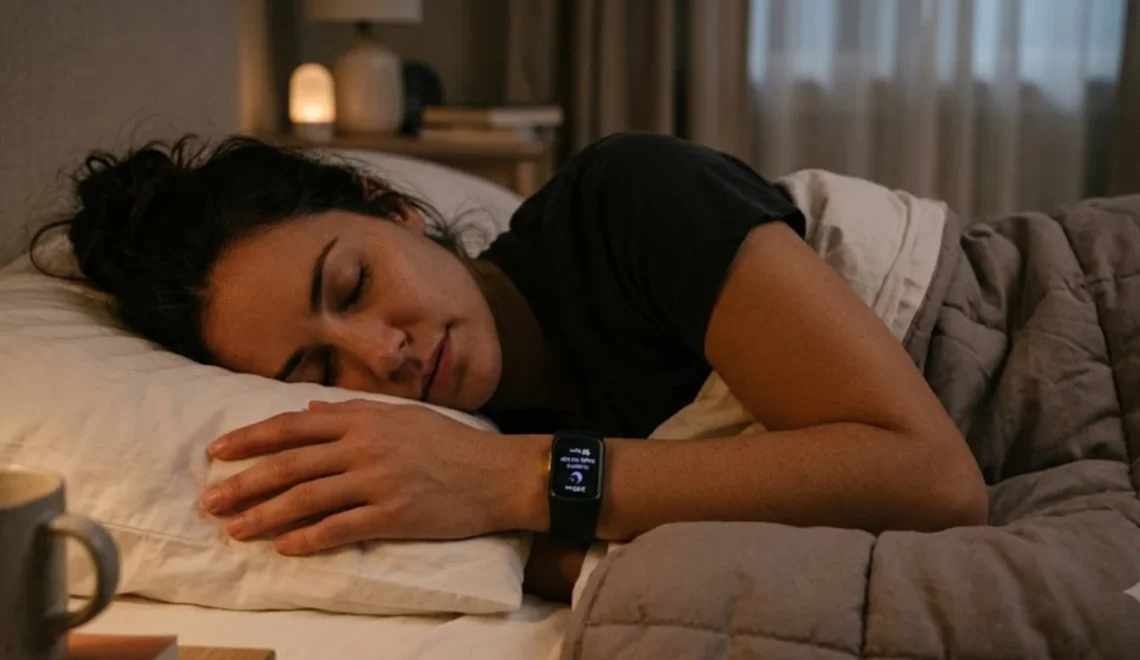
The health, recovery, and performance benefits of sleep have never been clearer, and as a result, owning the best fitness watch that includes sleep tracking is more useful than ever. Sleep-tracking watches are now about a lot more than just steps.
Such a watch can track your sleep stage, estimate your recovery score, monitor heart rate while you are asleep, and see long-term trends in your sleep pattern, although don’t take these numbers as accurate for anything close to a diagnosis!
Let’s have a look at what that type of wearable tracker does, what functions to focus on, what its capabilities are, and whether you need one.
This Article Is Part of the Fitness Technology Hub
Discover the latest fitness technology, including AI fitness tools, fitness trackers, health monitoring devices, smart gym equipment, wearable technology, and fitness apps designed to improve workouts, track progress, and enhance overall fitness performance in our Fitness Technology Hub.
About Fitness Watch That Tracks Sleep
A fitness watch that tracks your sleep and is also wearable in design so that it measures your sleep during your wear time as well, with the help of the internal sensors present in the design of the watch. It usually tracks your
- Movement during sleep
- Heart rate variability (HRV)
- Resting heart rate
- Blood oxygen levels (SpO₂) in some models
- Sleep duration
- Sleep stages
Many watches combine this information to generate a sleep score or recovery score.
A best fitness watch with sleep tracking enables one to measure not only how active their lifestyle is in terms of sleep, but it also tells you the hours that one spends sleeping, their sleep stages, whether one can get back into normal function after the prior day’s activities, or whether one may even be experiencing prolonged sleep changes.
One cannot replace this lifestyle tracker as a professional evaluation should they need one to undergo screening for sleep issues.
Why Use a Sleep Tracking Watch?
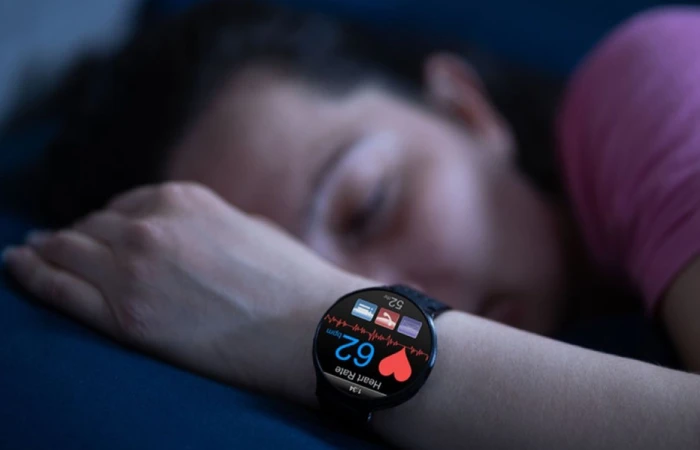
A quality sleep-tracking watch may help users:
- Understand sleep duration patterns.
- Monitor bedtime consistency.
- Assess recovery after exercise.
- Discover behaviors that are hurting your sleep.
- Log the ups and downs of overnight heart rate.
- Improve training and recovery planning.
When it comes to the kind of exercise you do, a recovery watch can tell you exactly how and when you need to train and when to take rest.
What features do you need in a sleep monitor smartwatch?
1. Sleep Stage Analysis
Most premium devices estimate the following:
- Light sleep
- Deep sleep
- REM sleep
- Awake periods
2. HRV Sleep Tracking
It also measures heart rate variability, which can be an indicator of your recovery and how stressed you were throughout the night.
3. Blood Oxygen monitoring
Some health tracking devices record oxygen level during sleep, which gives an idea of recovery as well.
4. Recovery Metrics
Advanced watches offer:
- Recovery scores
- Body readiness scores
- Training recommendations
5. Smart Alarms
Certain devices wake users during lighter sleep phases.
Best Sleep Monitor Smartwatch Features Comparison
| Feature | Basic Fitness Watch | Advanced Sleep Health Wearable | Premium Recovery Tracking Watch |
| Sleep Duration | Yes | Yes | Yes |
| Sleep Stages | Limited | Detailed | Detailed |
| HRV Monitoring | No | Yes | Yes |
| Recovery Score | No | Limited | Advanced |
| SpO₂ Monitoring | Optional | Yes | Yes |
| Training Guidance | No | Basic | Advanced |
| ECG Capability | Rare | Some Models | Selected Models |
Popular Categories of Sleep Quality Tracker Devices
Fitness Bands
Suitable for:
- Beginners
- Casual users
- Budget-conscious buyers
Examples include entry-level smart bands offering basic sleep analysis.
Smartwatches
Ideal for:
- Everyday users
- Professionals
- Fitness enthusiasts
These devices combine notifications, fitness features, and sleep monitoring.
Premium Recovery Tracking Watches
Designed for:
- Athletes
- Serious runners
- Strength trainers
These watches often provide advanced recovery analytics and training recommendations.
Typical Specifications of a Sleep Quality Tracker
| Specification | Typical Range |
| Display Size | 1.2–1.5 inches |
| Battery Life | 5–20 days |
| Water Resistance | 5 ATM or higher |
| Connectivity | Bluetooth 5.0+ |
| Sensors | Accelerometer, Optical HR Sensor, SpO₂ |
| GPS | Built-in or Connected GPS |
| Compatibility | Android and iOS |
Workflow for A Sleep Health Wearable
The device measures and identifies:
Step 1 Wear your Device
While you are wearing the sleep monitor, make sure that your device or sleep tracker watch is comfortable on your wrist and not too loose or too tight.
Step 2: Collect Data
Using sensors of smart band, the device tracks:
- Movement
- Heart rate
- HRV
- Oxygen saturation (if supported)
Step 3: Algorithm Analysis
Software analyses collected data and estimates sleep stages.
Step 4: Morning Report Generation
The companion app provides:
- Sleep score
- Sleep duration
- Recovery insights
- Recommendations
Performance Expectations: What Sleep Watches Can and Cannot Do
What They Can Do
- Identify general sleep trends.
- Track consistency over weeks and months.
- Estimate recovery status.
- Encourage healthier sleep habits.
What They Cannot Do
- Diagnose insomnia.
- Diagnose sleep apnoea.
- Replace sleep laboratory testing.
- Guarantee perfectly accurate sleep-stage analysis.
Research suggests consumer wearables are generally better at measuring total sleep time than accurately distinguishing every sleep stage.
According to Johns Hopkins Medicine, sleep trackers can provide useful insights into sleep habits, but they should not be used as a substitute for professional medical evaluation.
Battery Life, Build Quality and Materials
Choosing the best fitness tracker for sleep will include many of the usual watch-making concerns as overnight usage is a key.
Common Materials
- Aluminium alloy
- Material Stainless
- Steel Fiber Reinforced
- Polymer Gorilla Glass
- Silicone straps
Typical Battery Expectations
| Usage Pattern | Expected Battery Life |
| Heavy Use | 2–5 Days |
| Moderate Use | 5–10 Days |
| Basic Tracking | 10–20 Days |
Longer battery life means fewer interruptions in sleep monitoring.
The pros and Cons of using a watch that tracks your sleep.
Pros
- Tracks and monitors sleep patterns
- Motivates planning of fitness rest
- Provides a high-level view over time
- Integrates sleep and fitness data
- Convenient as an activity monitor
Cons
- Sleep stage accuracy is not perfectly reliable
- It is possible that premium models are out of the price of the average consumer
- beginners might get frustrated trying to interpret the data
- It does not support any medical diagnoses
Who Should Buy a Sleep Tracking Watch?
A sleep quality tracker may suit:
- Fitness enthusiasts.
- Shift workers monitoring sleep routines.
- Runners and endurance athletes.
- Busy professionals.
- Individuals seeking healthier sleep habits.
Who Should Avoid Buying One?
These devices may not be ideal for:
- People seeking medical diagnosis.
- Users unwilling to wear devices overnight.
- Those expecting laboratory-grade accuracy.
- Individuals who may become anxious from constant health data.
Authenticity and Accuracy: Are Sleep Watches Reliable?
Almost all leading manufacturers use reliable sensor technology, constantly evolving their tracking algorithms. Nonetheless, the tracking technology varies significantly between sleep watch manufacturers.
Based on recent research, it’s generally thought that wearable sleep trackers accurately record total sleep time but not the sleep cycle stages.
In cases of lingering sleep issues, one should get help from a qualified medical provider.
Alternatives to Fitness Watches for Sleep Monitoring
Alternative options include:
- Smartphone sleep applications.
- Bedside sleep sensors.
- Smart mattresses.
- Under-mattress sleep monitors.
- Clinical sleep studies.
Each option offers varying levels of convenience and accuracy.
Buying Tips for Choosing the Best Fitness Watch with Sleep Tracking
Before purchasing, consider the following:
Prioritise Accuracy Over Marketing
Look for independent reviews and validation studies.
Assess Battery Life
Frequent charging may reduce overnight tracking consistency.
Check App Compatibility
Get a smartphone compatible.
Choose some recovery features.
Athletes may benefit from advanced HRV and recovery metrics.
Consider Comfort
A lightweight watch improves overnight wear compliance.
The Bottom Line
If we were you, then what goes into deciding on the right watch for tracking your fitness and monitoring sleep will come down to a simple trio of points of consideration: what will the watch primarily be used for, how much you would like to invest in it, and what, in terms of specific functions, would you like the watch to perform?
For casual sleepers, knowing your total sleep time may be sufficient, while athletes will be drawn to a sports and recovery tracking watch with HR and sleep readiness. Whatever sleep watch you choose to purchase, take advantage of a sleep tracker with the intent of the wearability becoming another way to assist you in a healthier lifestyle. It is definitely not a medical instrument.
Frequently Asked Questions (FAQs)
Top Fitness Watch for Sleep Tracking: Which Option is Most Recommended?
This comes back to what aspects of sleep you want to prioritize: sleep tracking accuracy, comfort while you are sleeping, battery life, the availability of smart recovery options, and how compatible the device is with your smartphone.
How accurate are smartwatch sleep trackers?
Many sleep-tracking smartwatches estimate your sleep hours quite accurately. When compared to a medical sleep study, however, the accuracy of individual sleep stages may fluctuate quite a bit.
Is there a way to determine if I am having a sleep problem using my smartwatch?
Consumers are not in a position to utilize their health wearables for sleep disorders such as sleep apnea and insomnia.
What can wrist-based activity trackers and other wearable devices for my sleep do to help me understand?
Most wearers find the health and sleep trackers to be a helpful tool to gain insight into their personal sleep, recovery, and general lifestyle data over time.
Should athletes consider purchasing a watch that tracks workout recovery?
Athletes can often benefit from tracking features, including HRV monitoring, readiness scores, and customized workout and rest suggestions from their wearers.
Best Fitness Tracker Watch 2025 Hub
Discover the best fitness tracker watches of 2025 for men, women, runners, weight loss goals, sleep tracking, and accurate heart rate monitoring. Compare top-rated fitness watches and find the perfect wearable for your fitness journey.
>>>>>>>>>>>>>>>>>>>>>Best Fitness Tracker Watch 2025
Complete Comparison Guide →
>>>>>>>>>>>>>>>>>>>>>Best Fitness Tracker Watch for Men
>>>>>>>>>>>>>>>>>>>>>Best Fitness Tracker Watch for Women
>>>>>>>>>>>>>>>>>>>>>Best Fitness Watch with Sleep Tracking
>>>>>>>>>>>>>>>>>>>>>Best Heart Rate Monitor Fitness Tracker
>>>>>>>>>>>>>>>>>>>>>Best Fitness Watch for Running
>>>>>>>>>>>>>>>>>>>>>Best Fitness Tracker Watch for Weight Loss