
Best Automated Fitness Management Systems in 2026
Introduction
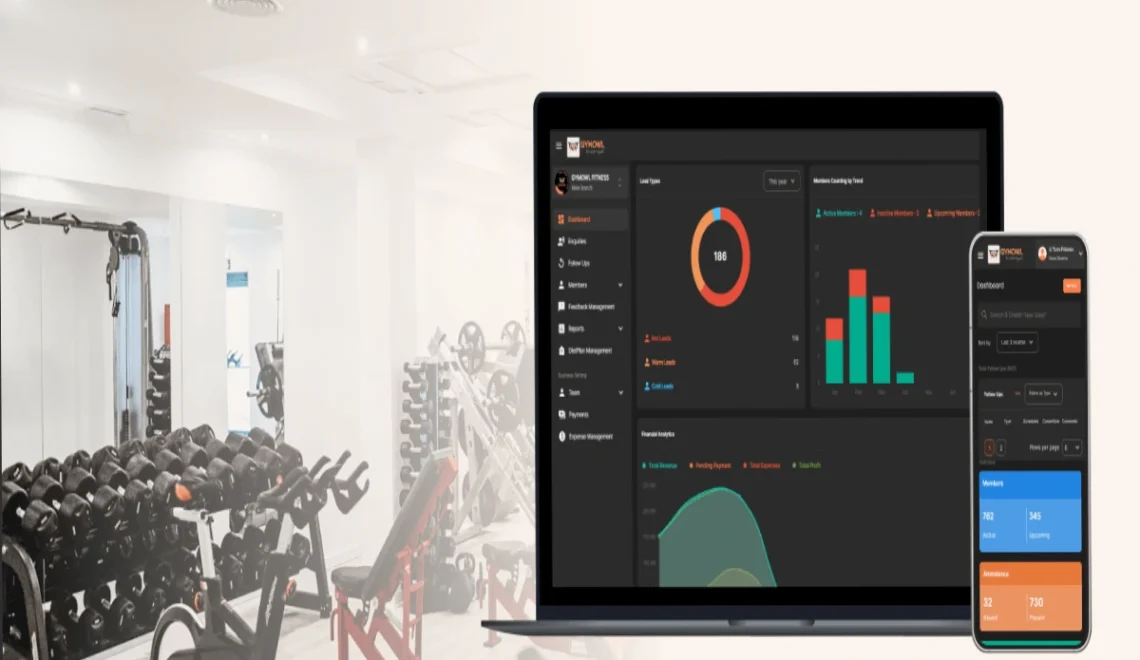
Nowadays, the upgraded technology is driving the fitness industry more than ever before. They are making automated management tools important for modern and upcoming generation gyms. The topmost automated fitness management systems allow clubs & studios of personal training and fitness, and also businesses related to wellness for managing bookings, payments, memberships, reporting, and communication in one essential platform.
This Article Is Part of the Fitness Technology Hub
Discover the latest fitness technology, including smartwatches, fitness trackers, wearable devices, health monitoring tools, AI-powered workout apps, and smart gym equipment in our Fitness Technology Hub.
If you operate a small studio that promotes fitness or a chain of multi-branch location gyms. Then selecting the correct system can result in a huge transformation in operational effectiveness. However, not all solutions offer equal incorporation, scalability, or functionality. Understanding its advantages and disadvantages with each selected option can benefit business proprietors in making the correct and best decisions.
Definition: What Are Automated Fitness Management Systems?
Automated fitness management systems are computer software solutions that operate both routine tasks and organizational tasks within fitness businesses. These platforms often combine participant management, booking scheduling, staff supervision, analytics, billing, and customer engagement structures into a single platform.
Physical effort, accuracy and improved experience for both gym members and gym staff are among the key objectives to be achieved.
An Automated Fitness Management System and the advantages it brings to a fitness company may be best discussed after selection.
What Does Fitness Business Software Mean?
Fitness business software refers to digital platforms specifically designed to support gym operations and member services.
Common business functions include:
- Membership administration
- Billing Automatically
- Class scheduling
- Attendance tracking
- Staff management
- CRM – Customer relationship management
- Analytics and Journalism
- Mobile app integration
Nowadays, a lot of systems have something called cloud-based access. This means the people who own these systems can take care of things from elsewhere like their own home. They do not have to be there, with the system to manage operations. The owners can manage cloud-based system operations from a distance.
Topmost Gym Managing Software System Structures to Look For

When evaluating top gym management software, feature selection should be based on business needs rather than marketing claims.
- Membership Administration
- Allows businesses to:
- Create membership plans
- Manage renewals
- Track active members
- Monitor attendance history
- Billing Automatically
Key capabilities include:
- Recurring payments
- Invoice generation
- Payment reminders
- GST-friendly reporting
- Booking and scheduling those bookings
Suitable for:
- Group classes
- Personal training sessions
- Facility reservations
- Reporting Dashboard
Provides insights into:
- Revenue
- Membership growth
- Retention rates
- Attendance trends
- Mobile Accessibility
Many gym automation platforms now provide mobile apps for both staff and members.
Best Automated Fitness Management Systems Compared
| Platform Type | Best For | Key Strength | Limitation |
| Small Studio Software | Independent trainers | Simplicity | Limited scalability |
| Mid-Size Gym Platforms | Growing gyms | Balanced features | May require onboarding |
| Enterprise Fitness Solutions | Multi-location chains | Advanced automation | Higher cost |
| Boutique Studio Systems | Class-based businesses | Scheduling tools | Less suited to large gyms |
| Hybrid Fitness portals | Offline as well as Online businesses | Flexible in nature | Knowledge curve |
The best option for a company depends on how big the company’s how complicated its operations are and what the budget for the company is. The ideal choice, for a business really depends on the business size the complexity of the business and the budget of the business.
How Gym Automation Platforms Actually Work?
Most gym automation platforms do things in a similar way.
They have a step that they follow.
Step 1 is when new members sign up.
New gym members are added to the system when they fill out forms on the internet or when the staff helps them join.
Step 2 is about making the membership official.
At this point the gym gives the members a plan. Tells them how much it will cost and when they need to pay.
Step 3 is when the gym starts taking payments
The system takes care of billing the members on a basis and sending them reminders when they need to pay.
Step 4 is about keeping track of who’s coming to the gym.
Gym members check in when they arrive using things like QR codes or special apps, on their phones or cards or devices that know who they are.
Step 5: Communication Automation
Automated messages can be sent for:
- Renewals
- Class reminders
- Promotions
- Announcements
Step 6: Business Reporting
Managers review performance metrics and operational reports.
Specifications Checklist for Fitness Management Tools
| Feature Category | Recommended Availability |
| Cloud Access | Yes |
| Mobile App | Yes |
| Billing Automatically | Yes |
| Attendance Tracking | Yes |
| CRM Functionality | Preferred |
| Staff Management | Preferred |
| Dashboard of Analytics | Yes |
| 3rd-Party Combinations | Ideal |
| Data Backup | Essential |
| Security Controls | Essential |
Performance Expectations
Using automated fitness management systems can really help people get more done in the gym. It is very important to have realistic expectations when it comes to automated fitness management systems. Automated fitness management systems are tools but they are not magic. People need to understand what automated fitness management systems can and cannot do.
Fitness businesses increasingly rely on technology to improve operational efficiency, member engagement, and long-term growth. The Health & Fitness Association (formerly IHRSA) provides industry insights, research, and best practices for fitness facility management, member retention, and business performance. Learn more at https://www.healthandfitness.org/
Possible Advantages
- Reduced manual administration
- Faster membership processing
- Improved billing accuracy
- Better reporting visibility
- Enhanced member experience
Realistic Limitations
- Software requires staff training
- Data migration may take time
- Automation cannot replace quality customer service
- Innovative structures may rise prices
- Positive execution lies on correct format and constant managing.
Pros & Cons of Managing Tools
Pros
- Centralised business operations
- Improved operational efficiency
- Better member engagement
- Automated payment collection
- Scalable growth support
- Decision Made through analysing data
Cons
- Subscription costs
- Initial learning curve
- Dependency on the net connection
- Possible incorporation tasks
- Constant Updates of software is essential
A balanced evaluation helps businesses pick solutions that fit their operations. It makes sure they choose what works best for them.
Businesses need to match solutions with their needs. This helps them run smoothly. They can then focus on growth. A good evaluation helps businesses make choices. It considers what they do every day. This way solutions match their needs.
Who Should Use Automated Fitness Management Systems?
- Ideal Users
- Commercial gyms
- Fitness studios
- Personal training centres
- Yoga studios
- Cross-training facilities
- Wellness centres
- Multi-location fitness chains
- Suitable Business Stages
- New fitness businesses seeking structure
- Growing gyms needing automation
- Established facilities improving efficiency
Who May Not Need Advanced Fitness Software?
Some businesses may not require comprehensive platforms.
Examples include:
- Sole trainers with very few clients
- Community fitness groups
- Temporary fitness events
- Small clubs with manual administration processes
- Simple scheduling tools may be sufficient in these situations.
Legitimacy and Data Security Considerations
Before selecting any fitness business software, evaluate:
- Vendor Credibility
- Years in operation
- Customer reviews
- Industry reputation
- Security Features
- Encrypted data storage
- Secure payment processing
- User access controls
- Regular backups
- Compliance Factors
Businesses must make confirmation about their software that goes with complete payment rules and privacy rules that are applied in their area.
These guidelines can differ from one place to another place. Businesses have to verify what rules are applicable in their area. The software of the firms must follow their privacy regulations. It should also comply with payment regulations. This helps protect customers’ information and money.
Alternatives to Full Gym Management Systems
Not every fitness business requires an all-in-one platform.
Possible alternatives include:
- Spreadsheet-based management
- Appointment scheduling software
- CRM-only platforms
- Accounting software integrations
- Member communication tools
While cheaper initially, these alternatives often require more manual work.
Buying Tips Before Choosing a Platform
Assess Business Size
Choose software that matches current and future growth requirements.
Demand a Demo
Practical examination mainly exposes serviceability weaknesses and strengths.
Check Integration Options
Verify compatibility with:
- Payment gateways
- Access control systems
- Mobile applications
- Marketing tools
- Availability of Review Support
Consistent customer care becomes mainly significant during execution.
Study Total Charge
When choosing the gym management software, think about what you really need:
- Billing
- Scheduling
- Reporting
- Security
- Scalability, are key.
You want software that can handle your gyms day-, to-day tasks. Gym management software should make it easy to manage your business. The right software will help with billing and scheduling. It will also provide reports. Security is crucial. You need to protect your members data. Scalability is important too. Your gym may grow. The software should be able to grow with you. Look for gym management software that meets these needs.
Gym management software can make a difference. It can save you time. Help your gym run smoothly. When you look at all the gym automation platforms and fitness management tools you can pick the one that works for your business right now and also helps it grow in the future. Businesses should take their time. Really think about what they need from a gym automation platform and a fitness management tool. This way they can find a solution that’s good, for their gym or fitness center and helps it become even better.
Evaluate:
- Subscription fees
- Setup costs
- Training expenses
- Upgrade charges
The cheapest option might not always give you the value in the long run. The lowest-cost option does not always provide the long-term value. Cheapest is not always best when it comes to long-term value. The best long-term value often comes from options that may not be the lowest-cost option. You should select the lower pricing option that gives the value for long-term.
Frequently Asked Questions
What are the Best Automated Fitness Management Systems?
The best automated fitness management systems combine everything you need in one place-memberships, billing automation, scheduling, attendance tracking, reporting, and engagement with clients.
How do fitness management tools differ from gym automation platforms?
Fitness management tools typically consist of a broad range of business management tools, while gym automation platforms center on automated business operations.
Can fitness business software help small gyms?
Yes. Automation can help even the smallest facilities to become better organised and cut down on administrative work.
Is gym software that’s cloud based better?
Cloud-based systems provide easy remote access, automatic updates, and easier scalability but good internet connectivity still counts.
How much should businesses expect to pay?
Costs can vary significantly based on business size, features, integrations and support needs.
Automated Fitness Management System Hub
Explore software features, gym membership tools, AI solutions, billing systems, cloud platforms, and fitness apps.
Conclusion
The best automated fitness management systems help businesses related to fitness in easily managing their day-to-day challenges. They enhance the fitness experience for members. These arrangements also help firms to see their own growth and how well they are doing, as well as where they are going wrong. Fitness businesses can use these systems to make their operations smoother. This way, they can focus on providing an experience for their members. The systems give businesses a picture of their performance.
Fitness management systems are really helpful for fitness businesses. They make it easy to manage members and track business performance. Automated fitness management systems are a tool for fitness businesses. While mechanization benefits many things, such as office work, your team still needs to be well-trained. They must provide customer service, and you need to manage your business effectively. Automation is not a solution. It just makes some tasks easier. You still have to do things yourself.