
acupressure points for gas
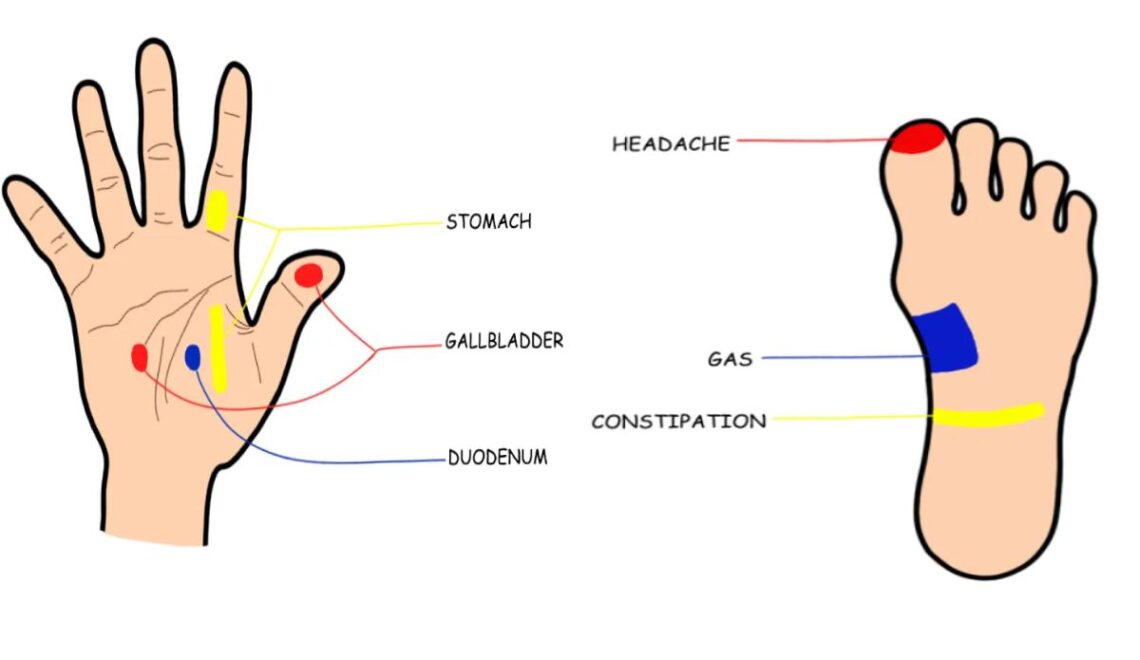
What Is Acupressure
Acupressure is an ancient healing technique derived from Traditional Chinese Medicine (TCM) that involves applying firm pressure with fingers, thumbs, or palms to specific points on the body. These points, known as acupoints, lie along energy pathways called meridians. By stimulating these points, acupressure aims to restore the flow of vital energy (called “qi” or “chi”), relieve tension, and promote the body’s natural self-healing abilities. Unlike acupuncture, acupressure uses no needles—only manual pressure—making it a safe, non-invasive practice that anyone can learn to help manage common issues like gas, bloating, nausea, and digestive discomfort.
How Does It Help Relieve Gas?
-
Stimulates digestive organs – Pressure on certain points increases blood flow to the stomach and intestines, improving their function.
-
Relaxes intestinal muscles – Helps reduce spasms that trap gas and cause cramping.
-
Promotes peristalsis – Encourages the natural wave-like contractions that move gas and stool through the digestive tract.
-
Reduces stress response – Lowers cortisol levels, which can otherwise slow digestion and cause gas buildup.
-
Releases trapped gas – Gentle pressure can physically help move gas pockets through the intestines for expulsion.
Common Causes of Gas and Bloating
| Cause | Description |
|---|---|
| Swallowed air | Eating too fast, chewing gum, drinking carbonated beverages, or talking while eating |
| Hard-to-digest foods | Beans, lentils, broccoli, cabbage, onions, and high-fiber vegetables |
| Lactose intolerance | Inability to properly digest dairy products due to low lactase enzyme |
| FODMAPs | Fermentable carbohydrates that some people cannot absorb well (wheat, garlic, certain fruits) |
| Constipation | Slow-moving stool allows gas-producing bacteria to overgrow |
| Gut bacteria imbalance | Overgrowth of gas-producing microbes in the small or large intestine |
| Food sensitivities | Mild allergies or intolerances to gluten, eggs, soy, or other foods |
| Hormonal changes | Progesterone slows digestion during menstrual cycles or pregnancy |
Benefits of Using Acupressure for Digestive Relief
-
Drug-free relief – No side effects compared to over-the-counter gas medications.
-
Immediate availability – You can do it anywhere, anytime, without equipment.
-
Works synergistically – Can be combined with dietary changes or medications safely.
-
Addresses root causes – Helps restore digestive motility rather than just masking symptoms.
-
Reduces recurrence – Regular practice may train your digestive system to function better.
-
Calms the gut-brain axis – Stress reduction directly improves digestion via the vagus nerve.
Key Acupressure Points to Relieve Gas Instantly
-
ST36 (Stomach 36) – Below the kneecap, off the shin bone; boosts overall digestion.
-
LI4 (Large Intestine 4) – In the webbing between thumb and index finger; relieves pain and moves qi.
-
CV12 (Conception Vessel 12) – Midline of the abdomen, midway between navel and breastbone; directly targets bloating.
-
P6 (Pericardium 6) – Three finger-widths below the wrist crease on the inner arm; reduces nausea and gas.
-
SP6 (Spleen 6) – Three finger-widths above the inner ankle bone; harmonizes digestion.
Stomach 36 (ST36) Point for Digestion Support
Stomach 36, also known as “Leg Three Miles,” is the most famous acupoint for digestive health. It is considered a master point for the entire digestive system, strengthening stomach function, relieving bloating, and improving nutrient absorption. In TCM, ST36 tonifies qi (energy) and blood, making it useful not only for gas but also for fatigue, poor appetite, and general digestive weakness. Many practitioners recommend stimulating ST36 daily for long-term gut health.
| Aspect | Details |
|---|---|
| Location | Four finger-widths below the kneecap, one finger-width outside the shin bone (tibia) |
| Best for | General gas, bloating, poor digestion, lack of appetite, fatigue after meals |
| Pressure type | Firm, deep, circular massage or steady thumb pressure |
| Duration | 1–2 minutes per leg |
| Best time to use | Before meals to prepare digestion or 30 minutes after meals to relieve fullness |
Large Intestine 4 (LI4) Point for Gas and Pain Relief
Large Intestine 4, also called “Hegu,” is a powerful point for moving stagnant qi throughout the body. It is frequently used to relieve abdominal pain, cramping, and trapped gas. LI4 also has a strong pain-relieving effect and can help reduce the discomfort associated with gas buildup. In TCM, this point is known to regulate the large intestine and promote the downward movement of waste, which helps release trapped gas.
| Aspect | Details |
|---|---|
| Location | In the web between your thumb and index finger, at the highest point of the muscle bulge when fingers are brought together |
| Best for | Sharp gas pains, abdominal cramping, constipation-related gas |
| Pressure type | Firm, steady pressure at a 90-degree angle toward the bone |
| Duration | 30–60 seconds per hand |
| Important caution | Avoid during pregnancy (can stimulate uterine contractions) |
Conception Vessel 12 (CV12) Point for Bloating
Conception Vessel 12, known as “Zhongwan,” sits directly over the stomach and is the primary acupoint for treating bloating, fullness, and epigastric discomfort. This point helps regulate stomach qi, reduces the sensation of food sitting heavily, and promotes the breakdown of food. CV12 is especially effective when bloating is centered in the upper abdomen, just below the ribcage, after eating.
| Aspect | Details |
|---|---|
| Location | Midline of the abdomen, exactly halfway between the bottom of the sternum (breastbone) and the navel |
| Best for | Upper abdominal bloating, feeling of fullness after small meals, reflux with gas |
| Pressure type | Gentle to moderate, using two or three fingers in a clockwise circular motion |
| Duration | 1–2 minutes, ideally lying down |
| Best time to use | 1 hour after meals or when bloating is actively present |
Pericardium 6 (P6) Point for Nausea and Gas
Pericardium 6, commonly called “Neiguan,” is best known for relieving nausea, but it also helps with gas that causes queasiness or an unsettled stomach. This point calms the upper digestive tract, reduces the urge to vomit, and helps move gas upward (burping) when appropriate. P6 is also a major point for stress-related digestive issues, as it connects to the pericardium meridian, which affects emotional balance.
| Aspect | Details |
|---|---|
| Location | Three finger-widths below the wrist crease on the inner forearm, between the two visible tendons |
| Best for | Gas accompanied by nausea, queasiness, burping, or a churning stomach |
| Pressure type | Firm thumb pressure pressing toward the opposite arm bone |
| Duration | 1 minute per arm |
| Bonus effect | Also reduces motion sickness and anxiety-related digestive upset |
Spleen 6 (SP6) Point for Digestive Balance
Spleen 6, or “Sanyinjiao,” is the meeting point of three meridians: Spleen, Liver, and Kidney. It is a key point for harmonizing the entire digestive and reproductive system. SP6 helps with gas that is linked to hormonal fluctuations (such as menstrual bloating), chronic indigestion, or alternating diarrhea and constipation. It also supports fluid metabolism, reducing water retention that can worsen the sensation of bloating.
| Aspect | Details |
|---|---|
| Location | Four finger-widths above the inner ankle bone, just behind the shin bone (tibia) |
| Best for | Hormonal bloating (PMS-related gas), chronic digestive imbalance, water retention with gas |
| Pressure type | Moderate to deep, using thumb or index finger |
| Duration | 1–2 minutes per leg |
| Important caution | Avoid during pregnancy (can stimulate uterine contractions) |
How to Locate Acupressure Points Correctly
-
Use anatomical landmarks (kneecap, ankle bone, wrist crease, navel) as your guides.
-
Measure finger-widths using your own fingers, not someone else’s.
-
Points often feel slightly tender or more sensitive than surrounding tissue.
-
Look for small depressions or “hollows” between muscles, tendons, or bones.
-
Press gently to confirm – a genuine acupoint will produce a dull ache, not sharp pain.
-
Use online diagrams or smartphone apps with visual guides as a reference.
-
Practice locating points on yourself before using them during active discomfort.
Step-by-Step Guide to Applying Pressure Safely
-
Sit or lie down in a comfortable, relaxed position.
-
Locate the exact point using the finger-width method described above.
-
Use your thumb, index finger, or knuckle – whichever gives the most controlled pressure.
-
Apply steady, firm pressure gradually, not suddenly. Do not jab.
-
Press at a perpendicular angle (straight down into the body) for most points.
-
Use a circular motion or steady hold – both work; choose what feels better.
-
Breathe deeply while pressing to enhance relaxation and qi flow.
-
Release slowly after the desired duration, then shake your hand gently.
How Long to Press Each Point for Best Results
For acute gas or bloating, press each point for 30 to 60 seconds, then release for 10 seconds, and repeat twice more. For chronic digestive issues, apply pressure for 1 to 2 minutes per point, once or twice daily. The total session should last 5–10 minutes. Do not press so hard that you bruise; effective pressure produces a dull, heavy, or mildly achy sensation—never sharp or stabbing pain.
Precautions to Follow While Using Acupressure
-
Wash your hands before touching any acupoint to prevent infection.
-
Use firm but never painful pressure – sharp pain means you are pressing too hard.
-
Do not apply pressure to broken skin, rashes, bruises, or wounds.
-
Avoid pressing LI4 or SP6 during pregnancy (risk of inducing contractions).
-
Do not perform acupressure immediately after a heavy meal; wait at least 30 minutes.
-
Stay hydrated after a session to help your body process released toxins.
When to Avoid Acupressure for Gas Issues
-
Recent abdominal surgery – Avoid direct pressure on CV12 or any abdominal point until fully healed.
-
Known hernia – Pressing over a hernia can worsen the condition.
-
Fever or acute infection – Acupressure can increase circulation and potentially spread infection.
-
Bleeding disorders – People on blood thinners or with hemophilia should use very gentle pressure only.
-
Severe osteoporosis – Deep pressure near bones may cause fractures.
-
Pregnancy – Avoid LI4, SP6, and any deep abdominal pressure (CV12 is generally safe with light touch after first trimester, but consult a professional).
Natural Tips to Prevent Gas Along with Acupressure
-
Eat slowly and chew thoroughly – Digestion begins in the mouth; each bite should be chewed 20–30 times.
-
Avoid carbonated drinks – They introduce gas directly into your digestive tract.
-
Walk for 10 minutes after meals – Gentle movement encourages gas to move downward.
-
Try peppermint or ginger tea – Both naturally relax intestinal muscles and reduce gas.
-
Identify trigger foods – Keep a food diary to find patterns (dairy, beans, onions, wheat are common).
-
Take probiotics – Healthy gut bacteria reduce fermentation-related gas over time.
-
Manage stress – Practice deep belly breathing daily; stress slows digestion significantly.
Conclusion
Acupressure offers a safe, effective, and drug-free way to relieve gas and bloating by stimulating specific points that enhance digestive function, relax intestinal muscles, and promote the natural movement of trapped air. Key points like ST36, LI4, CV12, P6, and SP6 can be easily learned and applied at home within minutes. While acupressure works well for occasional gas, persistent or severe symptoms should be evaluated by a healthcare provider to rule out underlying conditions like IBS, SIBO, or food intolerances. Combining acupressure with mindful eating, gentle exercise, and stress reduction gives you the best chance for lasting digestive comfort.
FAQs
1. How quickly does acupressure work for gas?
Many people feel relief within 5–10 minutes of applying pressure to the correct points, especially CV12 and ST36.
2. Can I do acupressure on myself while lying down?
Yes. In fact, lying down is ideal for abdominal points like CV12 because it allows your stomach muscles to fully relax.
3. How often can I use acupressure for gas?
You can use it as often as needed—several times per day during flare-ups—and daily for prevention.
4. Does acupressure work for everyone?
Most people experience some benefit, but effectiveness varies. It works best for gas caused by slow digestion or stress, less so for gas from severe food intolerances or structural issues.
5. Can acupressure make gas worse temporarily?
Rarely, some people feel increased gurgling or movement initially, which is usually a sign that trapped gas is starting to move—and is followed by relief.