
Best Fitness Running Watch
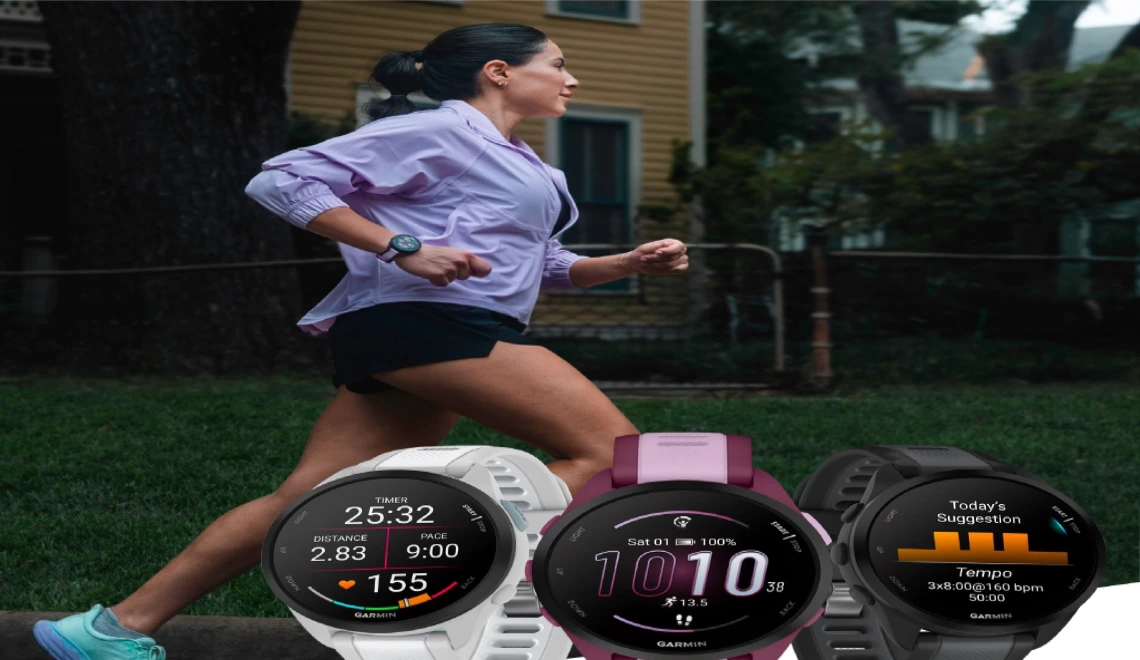
Running is an accessible kind of training. But every runner realizes that accurately reporting advancement is difficult if they don’t have the right equipment. The ideal running watches will keep distance, rate, heart, recovery, as well as training regularity, a watch for every running goal. From the very first 5K to marathon, as well as past.
Not every runner, yet different tools come with a lot more tracking features, a better rate of accuracy, or far better battery life.
Here’s how to pick one out.
The top working watches are equipped with workout info so that you can record runs, cycle routes, and a range of different sports activities, together with tracking a variety of metrics such as pace, distance, and heart rate.
This Article Is Part of the Fitness Technology Hub
Discover the latest fitness technology, including AI fitness tools, fitness trackers, health monitoring devices, smart gym equipment, wearable technology, and fitness apps designed to improve workouts, track progress, and enhance overall fitness performance in our Fitness Technology Hub.
What Is a Running Fitness Watch?

A running watch is typically an electronic gadget with the capability to display the current time, as well as track time and duration of a run. Many such devices feature GPS tracking to map distance and pace, a heart rate monitor, a calorie calculator, and training log features to record performance.
Typical functions include:
- GPS route tracking
- Pace monitoring
- Distance measurement
- Heart rate monitoring
- Training load analysis
- Recovery tracking
- Sleep monitoring
- Workout planning
Many modern devices also connect to smartphones for detailed performance reports.
What to Look for In a GPS Running Watch
When looking for a GPS running watch, a few features may have an impact on the way the watch works.
| Feature | Purpose |
| GPS Tracking | Measures distance, speed, and route |
| Heart Rate Monitoring | Tracks workout intensity |
| Pace Alerts | Helps maintain target pace |
| Recovery Metrics | Supports training planning |
| Sleep Tracking | Monitors recovery quality |
| Water Resistance | Suitable for outdoor use |
| Workout Modes | Supports various activities |
| Mobile App Sync | Provides detailed reports |
The performance trends offered can assist runners with the perception and interpretation of their effort not in relation to time and distance.
How a runner’s smartwatch operates
Most runner smartwatch devices rely on multiple sensors working together.
Running Watch Workflow
- GPS satellites determine location.
- Sensors measure movement and cadence.
- Optical sensors monitor heart rate.
- The watch processes performance data.
- Workout summaries are generated.
- Data syncs to a mobile app.
- Progress reports support future training decisions.
Use this workflow to see not just your performance on this run, but how you’re improving over the long term.
What Specifications to Look for
Before buying a running watch, compare features like GPS accuracy, heart rate monitoring, battery life, and training metrics. Tom’s Guide recommends choosing a watch based on your running goals and experience level.
When Shopping Before you hit up a store or scroll to the buy now button online, there are a few specifications worth checking:
| Specification | Recommended Range |
| GPS Accuracy | Multi-band GPS preferred |
| Battery Life | 7–20 days |
| GPS Battery Life | 10–40 hours |
| Water Resistance | 5 ATM or higher |
| Display Type | AMOLED or Memory-In-Pixel |
| Weight | Under 60 grams |
| Charging Time | Under 2 hours |
| Smartphone Compatibility | Android and iOS |
It is an especially important point on a marathon or long trip.
Most Innovative Sport Watches for Running: Features and Review
| Feature | Entry-Level Watch | Mid-Range Watch | Premium Running Watch |
| GPS Tracking | Standard | Enhanced | Multi-Band GPS |
| Heart Rate Monitoring | Basic | Advanced | Advanced |
| Pace Tracking | Yes | Yes | Highly Detailed |
| Recovery Analysis | Limited | Moderate | Extensive |
| Training Plans | Basic | Available | Advanced Coaching |
| Battery Life | Moderate | Good | Excellent |
| Price Range | Budget | Mid-range | Premium |
In this case, we see the more feature-rich you get, the more expensive you’re going to pay for it
Why a Marathon Training Watch Can Be Useful
A marathon training watch offers more than simple pace tracking.
Benefits for Distance Runners
- Long-run performance tracking
- Recovery monitoring
- Training load management
- Heart rate zone analysis
- Race pace planning
- Cadence measurement
- Route navigation support
These features become increasingly valuable as training volume increases.
Performance Expectations: What Running Watches Can and Cannot Do
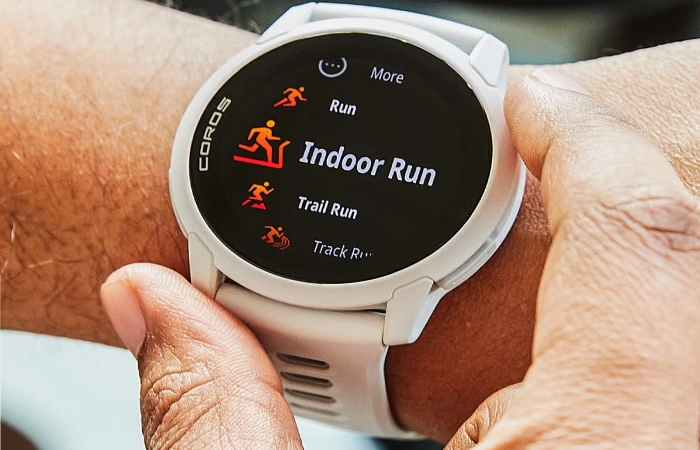
Consumers often look for wearable devices that provide perfectly reliable information under any circumstance. Device capabilities are good at gathering information these days, but aren’t quite perfect.
Genuine Expectations
- GPS accuracy may vary in dense urban areas.
- Heart rate readings can fluctuate during rapid arm movement.
- Battery life depends on GPS usage frequency.
- Weather conditions may affect sensor performance.
- Wrist-based sensors are generally less accurate than chest straps.
For most runners, however, modern fitness watches provide more than enough accuracy for training and progress tracking.
Battery Life, Build Quality & Materials
Longevity Is Key If a pace tracking watch is built well, this will have a great influence on how it fits and how it performs over a longer time frame.
Common Materials
- Aluminium alloy cases
- Stainless steel bezels
- Reinforced polymer bodies
- Silicone straps
- Gorilla Glass displays
- Sapphire crystal on premium models
Battery Expectations
| Usage Type | Typical Battery Life |
| Smartwatch Mode | 7–20 Days |
| Daily Running Use | 5–14 Days |
| Continuous GPS Tracking | 10–40 Hours |
Frequent GPS use remains the largest factor affecting battery consumption.
Pros and Cons
Pros
- Accurate distance tracking
- Easy pace monitoring
- Structured training support
- Heart rate insights
- Recovery analysis
- Convenient wearable design
Cons
- Premium models can be costly
- GPS reduces battery life
- Sensor accuracy varies slightly
- Some advanced features require learning
Who Should Buy a Running Fitness Watch?
A running watch may suit
- Beginner runners
- Regular joggers
- Marathon trainees
- Fitness enthusiasts
- Trail runners
- Cycling and multisport athletes
Individuals monitoring cardiovascular fitness
Who Should Avoid Buying One?
A running watch may not be necessary for:
- Occasional walkers who only track steps
- Users who dislike wearable technology
- Individuals seeking medical-grade monitoring
- People unlikely to use training metrics
Is a Running Fitness Watch Legitimate?
Yes. Reputable fitness watch manufacturers use established GPS technologies and validated sensor systems. These devices are widely used by recreational runners, coaches, and endurance athletes for training support.
However, they should be viewed as fitness tools rather than medical devices. Data should be used as guidance rather than as a clinical diagnosis.
Alternatives to a Running Watch
If a dedicated running watch is not suitable, alternatives include:
| Alternative | Best For |
| Smartphone Running Apps | Casual runners |
| Chest Strap Monitors | Maximum heart rate accuracy |
| Smart Rings | Discreet activity tracking |
| Cycling Computers | Dedicated cyclists |
| Sports Smartwatches | Multi-purpose fitness users |
Each option offers different advantages depending on training goals.
Buying Tips for Indian Runners
Prioritise GPS Accuracy
Accurate location tracking improves pace and distance measurements.
Evaluate Battery Performance
Long-distance runners benefit from extended GPS battery life.
Check Comfort and Weight
Lighter watches are often more comfortable during longer runs.
Review App Features
Training reports and progress insights can be as important as hardware.
Consider Future Fitness Goals
Select a watch to accompany your training when it ramps up.
FAQs
Best fitness watch for newbie runners?
If you’re new to the world of running, the best fitness watch for a beginner is likely a mid-range GPS running watch with a heart rate sensor, as well as one that offers a running pace, watch functions.
How reliable is a GPS running watch?
Current devices are highly accurate at measuring distance and pace, although external circumstances can alter reliability.
Should I buy a running smartwatch for marathon training?
Yes. Running watches are widely used by marathon runners in order to gauge their training load, recovery, and heart rate, as well as for their race paces.
Can the best fitness watch for runners replace my coach?
While a running watch may give information on workout performance, no device can replicate personalized coaching from a human expert.
Is the fitness watch for runners worth investing in?
A good watch that shows you distance, pace, and gives you feedback is certainly worth it if you’re a frequent runner and would like to better keep an eye on your training and development.
Conclusion
In the end, the best fitness watch for you as a runner is all about your current level of ability, the kind of goals you’re training for, and how much money you are willing to put into the technology. An excellent dedicated running fitness tracker should allow you to keep an eye on pace via GPS, track your heart rate, and offer insight to optimize training long term. Since there isn’t a “best watch for runners,” the current running smartwatches available can be valuable tools to add to your training.
Best Fitness Tracker Watch 2025 Hub
Discover the best fitness tracker watches of 2025 for men, women, runners, weight loss goals, sleep tracking, and accurate heart rate monitoring. Compare top-rated fitness watches and find the perfect wearable for your fitness journey.